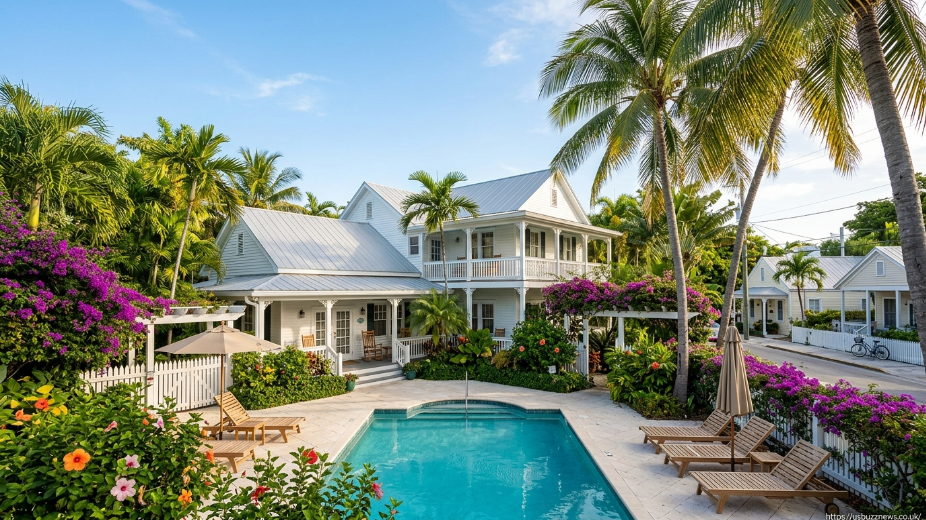
A wedding venue is one of the most important foundations of any marriage celebration because it shapes the entire experience from the first moment guests arrive until the final farewell. It is not just a physical space but the environment where emotions, memories, and traditions come together. Whether couples choose a luxury ballroom, a rustic barn, a beach resort, or a garden estate, the venue sets the tone for everything that follows in the planning process.
In modern wedding planning, the search for the perfect venue has become more detailed and thoughtful than ever. Couples now consider aesthetics, guest experience, budget, accessibility, and even social media appeal before making a decision. Because wedding venues influence décor choices, catering style, photography, and overall event flow, they are often selected before any other major wedding element.
The Importance of Wedding Venues in Modern Wedding Planning
Wedding venues play a central role in defining the entire celebration because they establish the atmosphere and emotional tone of the event. A romantic vineyard, for example, creates a soft and intimate feeling, while a grand hotel ballroom delivers elegance and formality. The venue becomes the visual identity of the wedding, influencing how guests perceive and remember the day.
Beyond aesthetics, venues also affect logistics and comfort. Seating arrangements, lighting conditions, acoustics, and space layout all depend on the chosen location. A well-planned venue ensures smooth movement between ceremony, cocktail hour, and reception, creating a natural flow that enhances guest enjoyment and reduces stress for the couple.
Popular Types of Wedding Venues Around the World
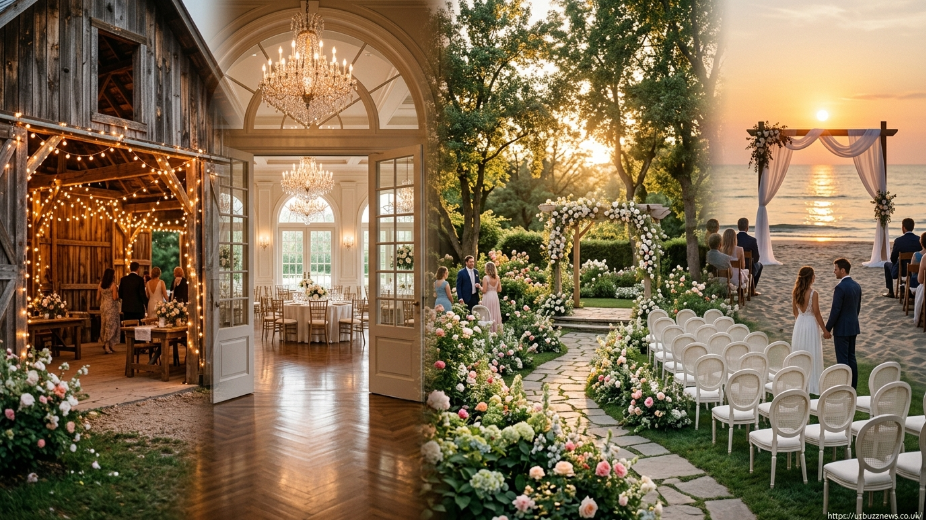
Wedding venues today come in many forms, each offering a unique experience. Traditional venues like hotels, banquet halls, and country clubs remain popular because they provide structured services, experienced staff, and reliable infrastructure. These venues are especially suitable for large weddings where coordination and convenience are essential.
Outdoor venues such as beaches, gardens, vineyards, and mountain resorts have also become increasingly popular due to their natural beauty and romantic atmosphere. These locations often reduce the need for heavy decoration because the scenery itself becomes part of the wedding design. Many couples choose outdoor venues for their relaxed and visually stunning environment.
Unique venues like art galleries, industrial lofts, heritage buildings, and private estates are also in demand. These spaces allow couples to create highly personalized weddings that reflect their personality and creativity. Such venues often stand out in wedding photography and offer a memorable experience for guests.
How Budget Influences Wedding Venue Selection
Budget plays a major role in determining which wedding venues are realistic options for couples. The venue is often the largest expense in a wedding budget, especially in urban or destination locations. Costs vary based on location, popularity, season, and included services, making it important to understand pricing structures before booking.
Many venues include additional costs beyond the basic rental fee, such as catering minimums, service charges, staffing, and décor requirements. These hidden or extra expenses can significantly affect the final budget, so couples must carefully review contracts and understand what is included in the package.
Seasonal pricing also impacts affordability. Peak wedding seasons usually come with higher prices due to demand, while off-season or weekday weddings can offer more budget-friendly options. This flexibility allows couples to secure premium venues at reduced rates without compromising quality.
Guest Experience and Comfort at Wedding Venues
Guest experience is one of the most important considerations when selecting a wedding venue because it determines how comfortable and enjoyable the celebration will be for everyone attending. Accessibility, parking, seating comfort, and proximity to accommodations all contribute to a positive experience.
Destination weddings require even more careful planning because guests may need to travel long distances. In such cases, venues located near airports, hotels, and transportation hubs are preferred. This reduces travel stress and ensures that guests can fully enjoy the celebration without logistical difficulties.
The layout and flow of the venue also play a major role in guest comfort. Smooth transitions between ceremony, reception, and dining areas help maintain energy and engagement throughout the event, ensuring that guests feel included in every part of the celebration.
Indoor Wedding Venues and Their Timeless Appeal
Indoor wedding venues continue to be a preferred choice because they offer reliability and control over environmental conditions. Weather is no longer a concern, which allows couples to plan their special day without worrying about unexpected disruptions. This stability is especially valuable in regions with unpredictable climates.
Elegant ballrooms, luxury hotels, and banquet halls provide sophisticated settings with controlled lighting, temperature, and sound systems. These venues are ideal for formal weddings where style and refinement are important. The architectural details and interior design often enhance the overall atmosphere.
Indoor venues also provide flexibility for décor and entertainment. Couples can create elaborate themes using lighting effects, floral arrangements, stage setups, and customized designs without limitations from weather or outdoor conditions. This creative freedom makes indoor venues highly attractive for personalized weddings.
Outdoor Wedding Venues and Natural Beauty Experiences
Outdoor wedding venues are widely chosen for their breathtaking natural surroundings and romantic ambiance. Gardens, beaches, vineyards, forests, and countryside estates offer scenic backdrops that enhance both the ceremony and photography. The natural environment becomes a key part of the wedding experience.
One of the biggest advantages of outdoor venues is natural lighting, which creates soft and visually appealing wedding photos. Photographers often prefer outdoor settings because they allow for more dynamic and emotional imagery, especially during sunset or golden hour.
However, outdoor weddings require careful planning to handle weather changes and environmental factors. Couples must consider backup plans, guest comfort, and seasonal conditions to ensure the celebration remains smooth and enjoyable regardless of external circumstances.
Wedding Venue Trends Shaping Modern Celebrations
Modern wedding trends show a strong shift toward personalization and unique experiences. Couples are no longer limited to traditional venues and are instead choosing locations that reflect their personality and relationship story. This has increased demand for unconventional spaces like rooftops, warehouses, and boutique resorts.
Sustainability is also becoming an important factor in venue selection. Many couples prefer eco-friendly wedding venues that follow environmentally responsible practices such as reducing waste, using local suppliers, and conserving energy. This trend reflects growing awareness of environmental impact in event planning.
Multi-day wedding experiences are another emerging trend. Instead of a single-day event, couples now host multiple celebrations in one venue, including welcome dinners, ceremonies, receptions, and farewell gatherings. This creates a more immersive experience for guests and allows more time for meaningful connections.
Essential Factors to Consider Before Booking a Wedding Venue
Before booking a wedding venue, couples must carefully evaluate several important factors that can influence the success of their event. Availability is one of the first considerations because popular venues are often booked months or even years in advance. Early planning ensures better options and flexibility.
Contract terms are equally important and should be reviewed in detail. Policies regarding cancellation, deposits, refunds, and vendor restrictions must be clearly understood to avoid future complications. Transparent agreements help build trust between couples and venue providers.
Another key factor is the level of support provided by venue staff. Experienced coordinators can significantly reduce stress by managing timelines, assisting with logistics, and coordinating with vendors. Strong venue support often leads to a smoother and more enjoyable wedding day.
Choosing the Perfect Wedding Venue for Your Dream Celebration
Finding the perfect wedding venue requires a balance between emotional connection and practical considerations. Couples often discover that the right venue feels natural as soon as they visit it, creating an immediate sense of comfort and excitement about the wedding day.
At the same time, practical factors such as budget, guest capacity, location, and services must align with the couple’s expectations. A venue that looks beautiful but lacks essential facilities may not be suitable for a seamless celebration. Careful evaluation ensures that both style and functionality are met.
Ultimately, the ideal wedding venue is one that supports the couple’s vision while providing a comfortable and memorable experience for guests. It becomes the foundation of the entire celebration and plays a major role in shaping lifelong memories of one of the most important days in life.
Conclusion
Choosing a wedding venue is one of the most meaningful steps in the entire wedding planning journey because it sets the emotional tone, visual style, and overall experience of the celebration. From elegant indoor ballrooms to natural outdoor landscapes, every venue type offers its own atmosphere, advantages, and challenges. The right choice is always the one that aligns with the couple’s vision while also ensuring comfort and convenience for guests.
A successful wedding venue decision comes from balancing creativity with practical planning. Budget, guest capacity, location, accessibility, and included services all play an important role in shaping the final experience. When these elements are carefully considered, couples can avoid unnecessary stress and focus on enjoying their special day.
Ultimately, a wedding venue is more than just a location—it is the place where memories are created, emotions are shared, and a new life chapter begins. Selecting the right venue ensures that every moment feels natural, beautiful, and unforgettable, leaving both the couple and their guests with lasting memories of a truly special celebration.