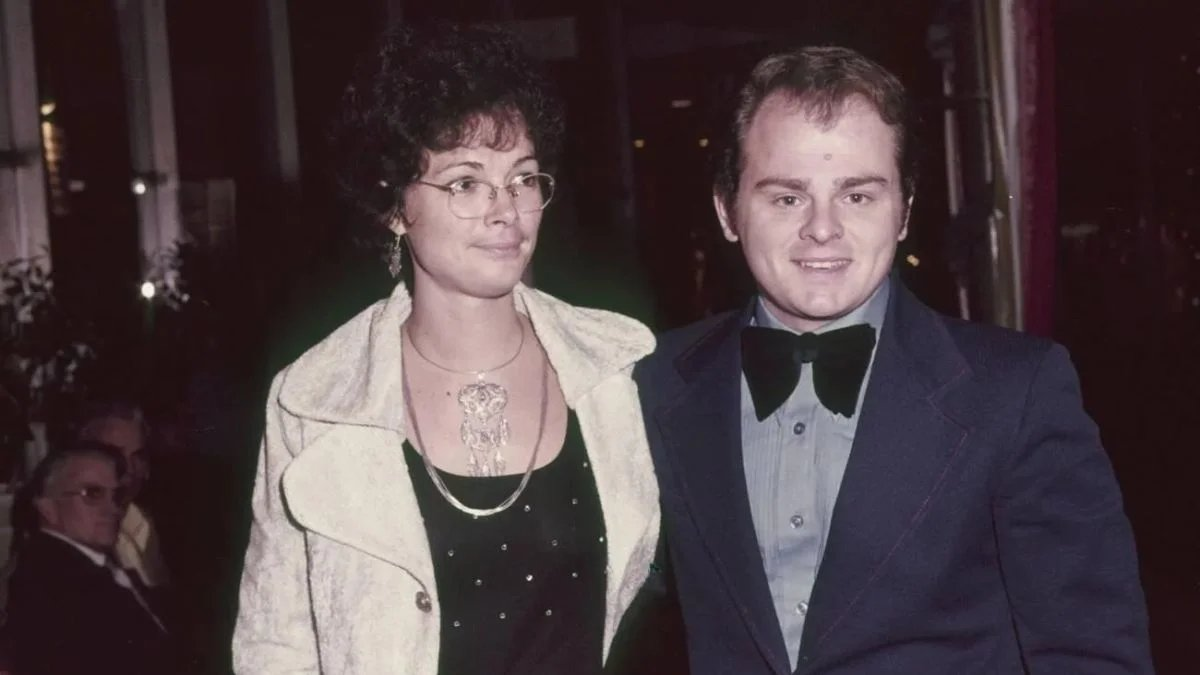
Sandra Lynn Modic is a name that frequently appears in online searches related to family history, genealogy, and personal background research. Although she is not widely recognized as a mainstream celebrity, public curiosity about her life has grown over time because of family connections and the increasing popularity of ancestry research. In an era where digital records and genealogical databases have made historical information more accessible, many individuals seek details about people whose names appear in family records, public archives, and biographical references.
The interest surrounding Sandra Lynn Modic demonstrates how modern technology has transformed the way people explore personal histories. Search engines, genealogy websites, and public databases have created opportunities for researchers, family historians, and curious readers to learn more about individuals from previous generations. While publicly available information about Sandra Lynn Modic remains relatively limited, her name continues to attract attention from those interested in tracing family relationships and understanding the stories behind historical records.
Understanding Sandra Lynn Modic requires looking at the broader context of family history research, personal heritage, and public curiosity. Rather than focusing solely on celebrity status or public achievements, this article explores the significance of her name within genealogy, historical documentation, and family research while examining the reasons people continue searching for information about her.
Who Is Sandra Lynn Modic?
Sandra Lynn Modic is primarily known through references found in family records, ancestry research, and public databases. Unlike public figures who gain recognition through entertainment, politics, sports, or business leadership, she is generally associated with personal and family history inquiries. This distinction is important because it explains why searches for her name often originate from individuals seeking genealogical information rather than news or celebrity updates.
In many cases, public interest develops when a person’s name appears in family trees, historical archives, or connections to individuals who have broader public recognition. Such interest often leads researchers to investigate family backgrounds, uncover historical records, and piece together personal histories. Sandra Lynn Modic falls into this category, where curiosity is driven by a desire to understand family connections and historical context.
As genealogy continues to grow in popularity, names that once remained largely private now receive increased attention. Researchers frequently search for relatives, ancestors, and family members in an effort to build complete family histories. This process often brings attention to individuals whose lives may not have been publicly documented in great detail but who remain important parts of broader family narratives.
Early Life and Family Heritage
Information regarding Sandra Lynn Modic’s early life is limited in publicly accessible sources, which is common for individuals who have not actively pursued public careers. Nevertheless, family history researchers often seek details about upbringing, family roots, and personal background to gain a deeper understanding of an individual’s place within a family lineage.
Family heritage provides valuable insight into cultural traditions, migration patterns, social environments, and generational experiences. Every family history contains stories that contribute to a larger narrative about identity and heritage. Even when extensive records are unavailable, researchers often use available documents to reconstruct aspects of an individual’s life and family connections.
The growing interest in ancestry research has highlighted the importance of preserving family stories and historical records. Many people today are eager to learn about their roots and understand how previous generations shaped their family histories. Sandra Lynn Modic’s name continues to attract attention because it forms part of these ongoing efforts to document and preserve personal heritage.
The Rise of Genealogy and Family Research
The popularity of genealogy has increased dramatically over the last two decades. Millions of people around the world now use ancestry websites, historical archives, and DNA testing services to trace their family roots. This trend has led to increased interest in individuals whose names appear in family records and historical documents.
Genealogical research offers much more than names and dates. It provides insight into family relationships, occupations, migration histories, and community involvement. Researchers often spend years piecing together information from various sources to create a complete picture of their ancestry. During this process, names like Sandra Lynn Modic frequently become important points of interest.
The digitalization of historical records has further accelerated genealogy’s popularity. Documents that once required visits to libraries, courthouses, or archives can now be accessed online. This convenience has made family history research more accessible than ever before, encouraging more people to explore their ancestry and learn about individuals connected to their family trees.
Why Sandra Lynn Modic Attracts Online Searches
The internet has fundamentally changed how people discover and share information. Search engines allow users to access vast amounts of data within seconds, making it easier to investigate names, family histories, and historical records. Sandra Lynn Modic has become a subject of interest partly because of this increased accessibility.
Many online searches are driven by curiosity about family connections. Individuals often encounter names in family trees, public databases, or historical documents and seek additional information to better understand relationships and backgrounds. This process contributes to the visibility of names that might otherwise remain largely unknown.
Another reason for continued interest is the growing popularity of personal history research. People are increasingly interested in discovering where they come from, who their ancestors were, and how family histories intersect with broader historical events. As a result, names associated with genealogy and family records continue to attract attention from researchers and casual searchers alike.
Family Connections and Their Significance
Family relationships are often central to understanding personal histories. Whether researching immediate relatives or distant ancestors, family connections provide context that helps explain individual life experiences and broader family narratives. Sandra Lynn Modic’s name is frequently explored within this framework.
Genealogy researchers often investigate family relationships to establish accurate family trees and verify historical information. Marriage records, birth certificates, census data, and other official documents help reveal connections between family members across generations. These records form the foundation of many ancestry projects and family history investigations.
Understanding family connections also allows researchers to gain insight into historical and cultural influences. Family histories often reflect broader societal changes, including migration trends, economic conditions, and community development. By studying these connections, researchers can better appreciate the experiences that shaped previous generations.
Historical Records and Public Documentation
Historical records play a critical role in preserving personal and family histories. Documents such as birth records, marriage certificates, census reports, property records, and military service files provide valuable information about individuals and their lives. Sandra Lynn Modic’s name appears in the context of these types of records, contributing to public interest and genealogical research.
The preservation of historical documentation allows future generations to explore their ancestry and better understand family heritage. These records often reveal details that would otherwise be lost over time, helping researchers reconstruct family histories with greater accuracy.
As archives continue to digitize their collections, access to historical information becomes easier and more widespread. This increased availability encourages more people to engage with genealogy and family research, resulting in greater visibility for individuals whose names appear in historical documents and public records.
Privacy Considerations in Modern Research
The availability of online information has created important discussions about privacy and responsible research. While public records serve valuable historical and genealogical purposes, it is essential to approach personal information with accuracy and respect. Sandra Lynn Modic’s case highlights the balance between public curiosity and personal privacy.
Researchers and writers have a responsibility to rely on verified information rather than speculation. When information is limited, it is important to acknowledge those limitations and avoid making assumptions about an individual’s life or experiences. This approach ensures that biographical content remains trustworthy and ethical.
Modern genealogy organizations and archives increasingly emphasize responsible research practices. Respecting privacy while preserving historical information helps maintain the integrity of family history projects and encourages accurate documentation for future generations.
The Role of Technology in Preserving Family Histories
Technology has revolutionized the way family histories are recorded, preserved, and shared. Digital archives, genealogy software, DNA testing services, and online databases have transformed ancestry research into a global phenomenon. These innovations have made it easier to discover information about individuals like Sandra Lynn Modic.
Online platforms allow researchers to collaborate, share documents, and connect with relatives who may possess valuable family information. This collaborative approach has expanded the scope of genealogy and helped uncover previously unknown family connections.
The use of technology also ensures that historical records remain accessible for future generations. Digital preservation protects important documents from deterioration while making them available to researchers worldwide. As these resources continue to grow, interest in family history and genealogy is expected to increase even further.
Public Interest Beyond Celebrity Status
Not all public interest revolves around celebrities, entertainers, or political figures. Many people attract attention because of their role within family histories, historical events, or genealogical research. Sandra Lynn Modic represents this type of interest, where curiosity stems from personal connections rather than public fame.
The rise of ancestry research has broadened public understanding of whose stories matter. Family members, ancestors, and relatives all contribute to the larger narrative of human history. Their experiences provide valuable insight into social, cultural, and historical developments across generations.
This broader appreciation for personal history has encouraged more people to document and preserve family stories. As a result, individuals who may never have sought public attention become important subjects within genealogical and historical research communities.
The Lasting Value of Family History Research
Family history research serves an important purpose beyond satisfying curiosity. It helps preserve heritage, strengthen family connections, and provide a deeper understanding of identity. Names like Sandra Lynn Modic become meaningful because they represent real individuals whose lives contributed to the experiences of future generations.
Genealogy projects often reveal stories of resilience, migration, achievement, and personal growth. These discoveries help families maintain connections to their past while creating a sense of continuity between generations. Understanding family history can also provide valuable context for cultural traditions and personal experiences.
As interest in ancestry continues to expand, the importance of preserving accurate historical information will only increase. Researchers, historians, and family members all play a role in ensuring that personal stories remain accessible for future generations to explore and appreciate.

Conclusion
Sandra Lynn Modic remains a subject of interest primarily because of family history research, genealogical investigations, and public curiosity about personal heritage. While publicly available information about her life is relatively limited, her name continues to appear in ancestry searches, historical records, and family research projects.
The growing popularity of genealogy has transformed how people explore their roots and understand family connections. Through digital archives, public records, and ancestry platforms, individuals can learn more about relatives and ancestors who played important roles within their family histories. Sandra Lynn Modic represents the many individuals whose names continue to be researched as part of these broader efforts to preserve and understand personal heritage.
Ultimately, the interest surrounding Sandra Lynn Modic reflects a larger cultural movement toward documenting family histories and appreciating the stories of previous generations. As technology continues to improve access to historical information, family research will remain an important tool for preserving identity, heritage, and personal connections across time.