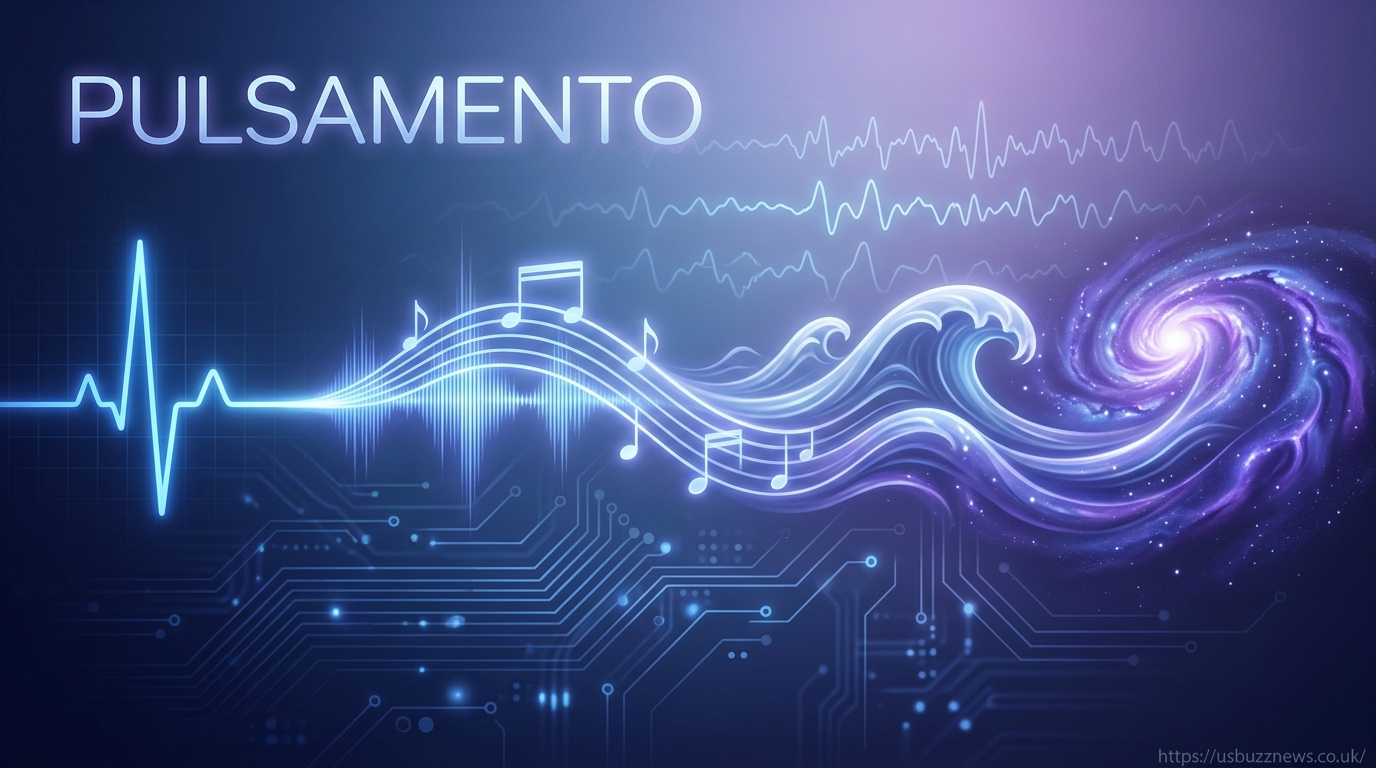
Pulsamento is a concept that describes continuous rhythmic flow, repetition, and structured vibration found across music, biology, psychology, nature, and technology. At its core, it refers to a “pulse” that repeats in a stable or expressive pattern, creating movement, timing, and emotional connection. Unlike a simple beat, pulsamento carries a deeper sense of continuity and energy that shapes how systems behave and how humans perceive rhythm.
In modern understanding, pulsamento is not limited to one discipline. It is used as a bridge between artistic expression and scientific explanation, showing how rhythm influences both emotional experiences and physical systems. From the beating of the human heart to the flow of musical compositions and even the timing systems in digital technology, pul-samento acts as a universal principle of structured repetition that organizes complexity into understandable patterns.
The Meaning and Conceptual Foundation of Pulsamento
The word pul.samento originates from Latin and Romance language roots, particularly related to “pulsare,” which means to beat, strike, or pulse. Over time, the concept evolved into a broader idea representing continuous rhythmic motion rather than a single isolated beat. This transformation allows pulsamento to be used in both scientific and artistic contexts.
Conceptually, Pul.samento refers to the underlying structure that keeps movement organized over time. It is not just the visible rhythm but the invisible framework that holds repetition together. Whether in sound, motion, or biological systems, pulsamento ensures that processes remain stable while still allowing variation and expression.
Pulsamento in Musical Expression and Rhythm Theory
In music, Pulsamento represents the internal heartbeat of a composition. It is the consistent rhythmic flow that musicians feel while performing, even when the tempo changes or the melody becomes complex. This underlying pulse helps synchronize instruments and maintain coherence in musical performance.
Musicians often rely on pulsamento to create emotional depth. Unlike mechanical metronome timing, pulsamento allows flexibility, subtle variation, and expressive timing. This human-like rhythm is what makes live music feel alive rather than robotic. It is especially important in genres where emotional interpretation is central, such as classical music, jazz improvisation, flamenco, and traditional folk music.
Pul.samento also plays a key role in how listeners experience music. Even without formal training, humans instinctively respond to rhythmic patterns. The brain naturally aligns with repeating beats, creating a sense of anticipation, movement, and emotional engagement. This connection between rhythm and perception is one of the reasons music has such a powerful effect on human emotion.
Biological Foundations of Pulsamento in the Human Body
Pul-samento is deeply rooted in human biology, where rhythmic cycles control essential life processes. The most obvious example is the heartbeat, which operates through continuous contraction and relaxation of the heart muscle. This biological rhythm ensures that oxygen and nutrients are circulated throughout the body.
Breathing is another form of pulsamento, involving regular inhalation and exhalation cycles that maintain oxygen balance. Even when we are not consciously aware of it, these rhythmic processes continue automatically, demonstrating how deeply pulsamento is embedded in human survival systems.
Beyond the heart and lungs, the nervous system also operates through rhythmic electrical signals. Brain activity includes oscillations known as brain waves, which influence attention, memory, sleep, and emotional states. These cycles show that pulsamento is not only physical but also neurological, shaping how the human mind functions in real time.
Psychological Impact and Emotional Rhythm
PulsaMento also has a strong influence on psychology and emotional regulation. Humans are naturally sensitive to rhythm because the brain is designed to detect patterns. This sensitivity explains why rhythmic sounds, repetitive movements, or steady beats can have calming or stimulating effects on mood.
In psychological studies, rhythmic repetition has been linked to reduced stress and improved focus. Activities like meditation, controlled breathing, and rhythmic music therapy use pul-samento principles to help regulate emotional states. A steady internal rhythm can stabilize mental activity, creating a sense of balance and relaxation.
Emotionally, pul.samento plays a role in how people experience time and presence. When individuals engage with rhythm—whether through music, walking, or breathing—they often feel more grounded. This connection between rhythm and emotional awareness shows that pUlsamento is not just a physical phenomenon but also a mental and emotional one.
Pulsamento in Nature and Environmental Cycles
Nature operates through countless rhythmic systems that reflect the principle of pulsamento. The cycle of day and night is one of the most fundamental examples, influencing biological clocks and behavior in all living organisms. Seasonal changes also follow predictable rhythmic patterns that regulate growth, migration, and reproduction.
Ocean tides provide another example of natural pul.samento, driven by gravitational forces that create repeating cycles of rising and falling water levels. These rhythms shape coastal ecosystems and influence marine life behavior. Similarly, weather systems and climate patterns often follow long-term cycles that reflect natural periodicity.
Even plant life demonstrates rhythmic behavior. Many plants follow daily cycles of opening and closing, growth patterns, and seasonal flowering schedules. These biological rhythms show how pulsamento is deeply integrated into ecological systems, ensuring balance and continuity in nature.
Technological Applications of Pulsamento
In modern technology, pul-samento appears in systems that depend on timing, synchronization, and repeated signals. Computers, communication networks, and digital devices all rely on clock cycles that regulate how data is processed and transmitted. These cycles function as artificial forms of pulsamento.
Every digital operation is broken into timed pulses that allow machines to function efficiently. Without these rhythmic signals, processors would lose synchronization, leading to system instability. This demonstrates how pulsamento is essential not only in natural systems but also in engineered environments.
In communication systems, data transmission relies on pulses of electrical or optical signals. These signals follow precise timing patterns that ensure information is delivered accurately. This structured repetition is fundamental to internet connectivity, mobile communication, and digital computing.
Cultural and Artistic Dimensions of Pulsamento
pul-samento also holds deep cultural significance in artistic traditions across the world. In dance, music, and performance arts, rhythm is used as a form of expression that connects movement with emotion. The pulse of music guides dancers, while rhythmic structure shapes storytelling and cultural identity.
Different cultures interpret pulsamento in unique ways through traditional music and dance forms. In many societies, rhythmic drumming, chanting, and movement are used in rituals and celebrations to create unity and emotional connection among participants. These shared rhythms strengthen social bonds and cultural identity.
Artistic expressions of pul-samento often go beyond entertainment. They serve as a form of communication that transcends language barriers. Rhythm becomes a universal language that allows people to express emotions, tell stories, and connect with others on a deeper level.
Scientific Interpretation of Pulsamento and Oscillations
From a scientific perspective, pul-samento can be understood as periodic motion or oscillation. Physics describes it through wave behavior, vibration patterns, and frequency cycles. These principles explain how energy moves through space and matter in repeating patterns.
In biology, oscillatory systems regulate everything from heartbeat rhythms to hormonal cycles. These biological oscillations are essential for maintaining internal balance and ensuring that living organisms function efficiently. Without rhythmic stability, biological systems would become disorganized.
Neuroscience also studies pulsamento through brain wave activity. Different brain wave frequencies correspond to different mental states such as sleep, focus, relaxation, and alertness. This shows that rhythmic oscillation is fundamental to human cognition and perception.
The Universal Importance of Pulsamento in Life Systems
Pulsamento is more than a scientific or artistic idea; it is a universal principle that connects all living and non-living systems. Whether in nature, the human body, music, or technology, rhythmic repetition creates structure and meaning in complex systems.
One of the most important aspects of pulsamento is its ability to bring order to chaos. Without rhythm, systems would lack stability and coordination. From cellular processes to planetary movements, pulsamento ensures that cycles continue in predictable and balanced ways.
Understanding pulsamento helps explain how life organizes itself through repetition and timing. It reveals that rhythm is not just an artistic feature but a fundamental building block of existence.
Conclusion: Why Pulsamento Matters in the Modern World
Pulsamento represents a powerful concept that connects science, art, nature, and human experience. It explains how rhythm shapes everything from biological processes to musical expression and technological systems. By understanding pulsamento, we gain insight into how structure and repetition create harmony in complex environments.
In today’s fast-moving digital world, recognizing the importance of rhythm and balance is more relevant than ever. Pulsamento reminds us that behind every system—whether natural or artificial—there is a structured pulse that maintains order, supports function, and connects everything together in continuous flow.