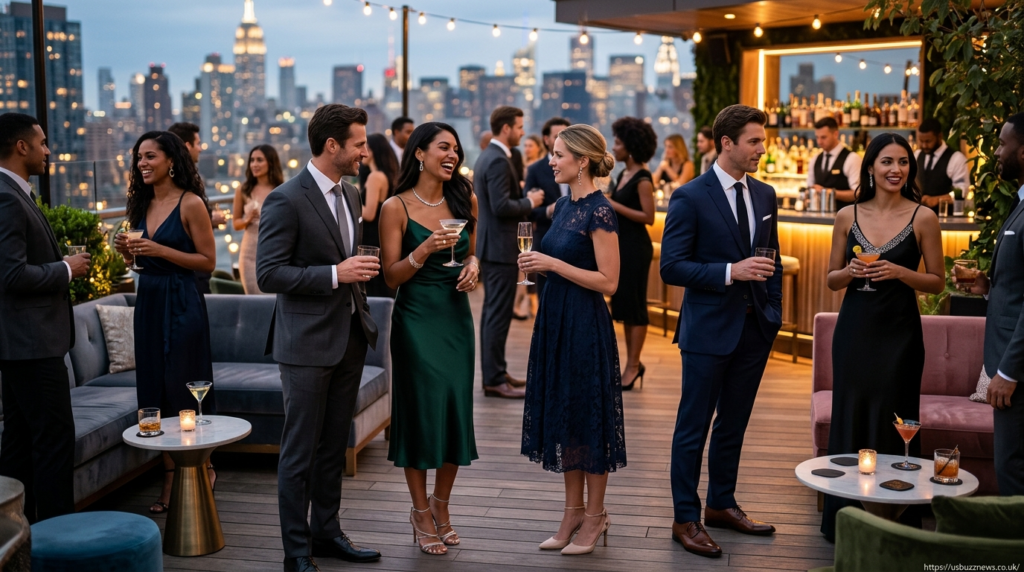
Cocktail attire is one of the most common dress codes in modern fashion, yet it is also one of the most misunderstood. From weddings and corporate events to upscale dinners and holiday parties, cocktail attire creates a balance between elegance and comfort. It is more polished than casual wear but less formal than black-tie fashion. The purpose of cocktail attire is to help guests look refined, fashionable, and event-appropriate without appearing overdressed.
The cocktail dress code has existed for decades and continues to evolve with changing fashion trends. Originally introduced during the early twentieth century, cocktail fashion became associated with evening social gatherings where people wanted stylish clothing that felt sophisticated but still practical. Over time, the concept expanded into modern semi-formal dressing, allowing people to express their personality while maintaining a classy appearance. Today, cocktail attire remains one of the most versatile and widely accepted dress codes for social events around the world.
Understanding cocktail attire is important because dressing correctly affects confidence, comfort, and first impressions. Whether attending a cocktail wedding, formal office party, engagement celebration, luxury dinner, or networking event, knowing how to style cocktail attire properly can help avoid fashion mistakes and create a polished image. Modern cocktail fashion focuses on clean tailoring, elegant fabrics, tasteful accessories, and balanced styling that reflects sophistication without becoming overly formal.
Understanding the Meaning of Cocktail Attire
Cocktail attire is generally considered a semi-formal dress code that combines elegance with modern fashion. It sits between casual fashion and full formalwear, making it appropriate for evening celebrations, upscale social gatherings, and stylish professional events. The overall goal is to create a polished appearance that feels refined while still allowing room for creativity and personal style.
Unlike black-tie attire, cocktail attire does not require tuxedos or floor-length evening gowns. Instead, it encourages shorter dresses, tailored suits, elegant jumpsuits, sophisticated separates, and stylish accessories. The dress code allows people to look fashionable without the strict formality associated with gala events or luxury ceremonies. This flexibility is one reason cocktail attire has become increasingly popular for weddings, receptions, and modern celebrations.
Many people confuse cocktail attire with business casual or semi-formal fashion. Although these styles share similarities, cocktail fashion usually feels more elevated and celebratory. Business casual clothing often prioritizes professionalism, while cocktail attire focuses on elegance and social sophistication. Semi-formal fashion overlaps closely with cocktail dressing, but cocktail looks generally include richer fabrics, stronger styling details, and more fashionable accessories.
The venue and timing of an event often influence cocktail attire expectations. Evening events usually encourage darker colors, luxurious textures, and slightly dressier styling, while daytime cocktail events may feature lighter fabrics and softer tones. Understanding the atmosphere of the event helps guests choose outfits that feel appropriate and balanced rather than too casual or overly formal.
Cocktail Attire for Women
Women’s cocktail attire traditionally centers around the cocktail dress, which remains one of the most timeless fashion choices for semi-formal occasions. Knee-length dresses and midi dresses are especially popular because they offer the perfect balance between elegance and comfort. Modern cocktail dresses come in many styles, including fitted silhouettes, wrap dresses, off-shoulder designs, satin slip dresses, and lace-trimmed pieces that create a sophisticated appearance without feeling excessive.
Fabric selection plays an important role in achieving the right cocktail look. Luxurious materials such as silk, satin, chiffon, velvet, crepe, and lace naturally create a refined appearance suitable for upscale occasions. During spring and summer events, lighter fabrics and floral patterns are common because they feel fresh and seasonally appropriate. Fall and winter cocktail fashion often includes darker colors and textured materials like velvet or structured satin that add warmth and richness to the outfit.
Modern cocktail attire for women has evolved beyond traditional dresses. Elegant jumpsuits, tailored suits, and fashionable separates are now widely accepted for cocktail events when styled correctly. Many fashion experts encourage women to choose pieces that highlight personal style while still maintaining sophistication. Statement sleeves, asymmetrical necklines, minimalist tailoring, and monochromatic outfits have become especially popular in contemporary cocktail fashion.
Accessories are essential for completing a cocktail outfit. High heels, elegant handbags, delicate jewelry, and refined makeup help elevate the overall appearance. However, balance remains important. Excessive accessories or overly dramatic styling can make an outfit appear more suitable for a red-carpet event rather than a cocktail gathering. Simplicity, elegance, and proper coordination usually create the strongest impression.
Cocktail Attire for Men
For men, cocktail attire typically begins with a tailored suit. Well-fitted suits in colors like navy, charcoal, dark gray, or black remain classic choices because they appear timeless and sophisticated. The suit should feel polished without looking overly formal. Tailoring is especially important because even expensive clothing can appear careless if the fit is poor or uncomfortable.
Dress shirts are another essential component of cocktail attire for men. Crisp white shirts remain a timeless option, but modern cocktail fashion also welcomes softer shades, subtle patterns, and textured fabrics. Ties are commonly worn, particularly at evening events and weddings, although they are not always required. Some modern cocktail looks include open collars paired with structured blazers for a more relaxed yet refined appearance.
Shoes and accessories significantly influence the overall presentation. Leather dress shoes, loafers, and polished footwear are generally preferred over casual sneakers or boots. Pocket squares, watches, cufflinks, and belts can add personality and sophistication when styled tastefully. The goal is to create a balanced appearance that looks intentional rather than overly flashy or casual.
Seasonal changes also affect cocktail attire for men. Summer events often feature lighter fabrics such as linen blends or breathable wool, while colder seasons encourage heavier textures and deeper color palettes. Burgundy, forest green, navy, and midnight blue are particularly popular during fall and winter cocktail events because they create a luxurious and elegant appearance.
Cocktail Attire for Weddings
Cocktail attire weddings have become increasingly popular because they offer guests flexibility while maintaining a stylish atmosphere. Couples often choose this dress code because it encourages elegant fashion without requiring highly formal eveningwear. Guests attending cocktail weddings should aim for outfits that appear polished, celebratory, and respectful of the occasion.
Women attending cocktail weddings commonly choose midi dresses, sophisticated heels, elegant jumpsuits, or tasteful statement accessories. Men usually wear tailored suits, dress shoes, and classic shirts that complement the wedding setting. Color selection is also important. Guests generally avoid white, ivory, or shades that resemble bridal fashion out of respect for the bride.
The location and theme of the wedding strongly influence cocktail attire choices. Beach weddings may encourage lighter fabrics, floral patterns, and softer tones, while ballroom receptions often call for darker colors and more structured tailoring. Outdoor garden ceremonies usually inspire romantic styles and breathable fabrics, while luxury hotel receptions may require more glamorous and polished outfits.
Comfort also matters during cocktail weddings because guests often spend many hours socializing, dining, and dancing. Choosing breathable fabrics, comfortable shoes, and practical accessories helps maintain confidence throughout the event. Fashion experts often recommend balancing elegance with wearability to avoid discomfort that can distract from the celebration itself.
Seasonal Cocktail Attire Trends
Cocktail fashion changes throughout the year as seasonal trends influence colors, fabrics, and styling choices. Spring cocktail attire often features pastel tones, floral prints, lightweight dresses, and soft tailoring that reflect the freshness of the season. Light blue, blush pink, lavender, sage green, and champagne colors are especially popular during springtime events because they create an airy and elegant appearance.
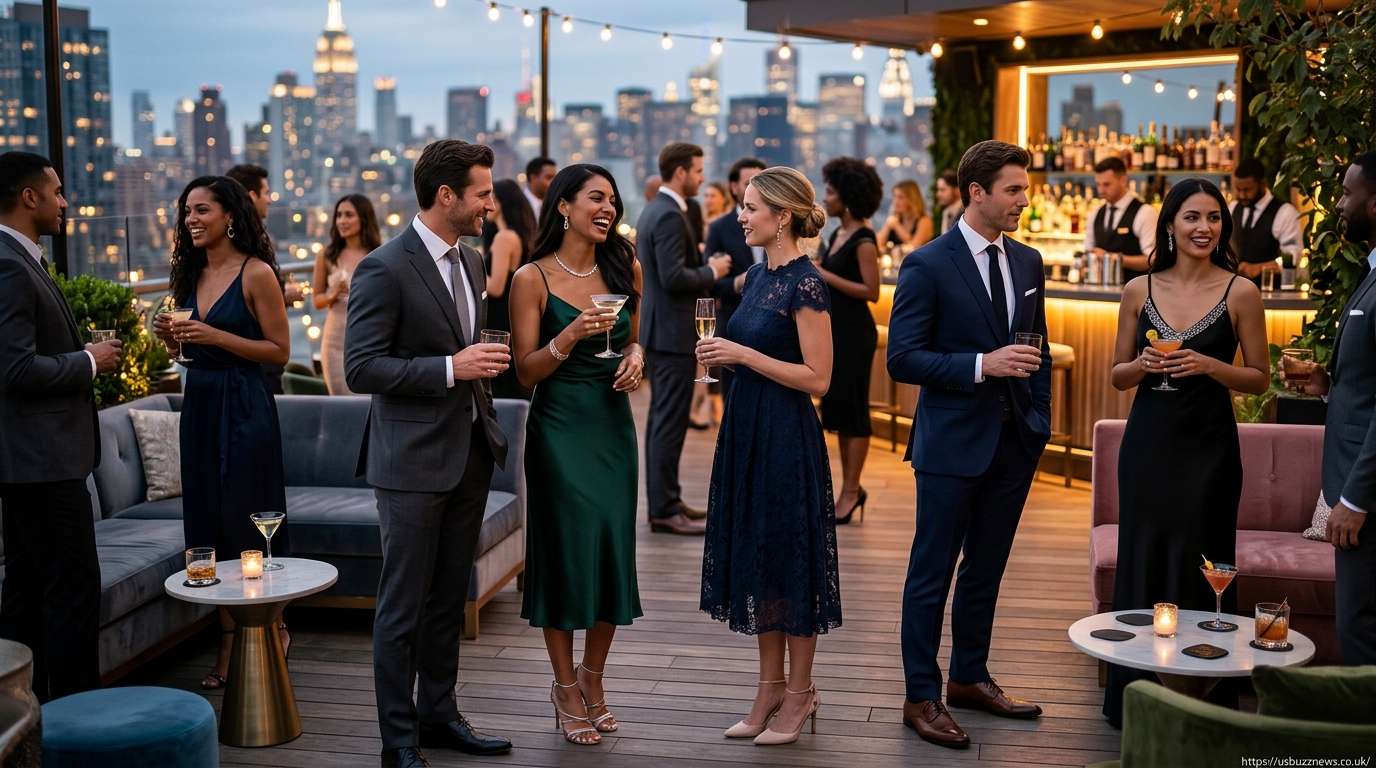
Summer cocktail attire focuses on breathable materials and relaxed sophistication. Lightweight satin, chiffon, linen blends, and sleeveless silhouettes help people stay comfortable while maintaining a polished appearance. Outdoor rooftop parties, beach receptions, and summer weddings often encourage lighter styling choices that feel vibrant without becoming too casual.
Fall cocktail attire introduces richer colors and more luxurious textures. Deep burgundy, emerald green, navy blue, chocolate brown, and rust tones dominate autumn fashion because they complement the season’s atmosphere. Velvet dresses, structured blazers, layered accessories, and elegant outerwear become more common during cooler months as people seek warmth alongside sophistication.
Winter cocktail fashion embraces dramatic elegance with darker palettes and textured fabrics. Velvet, satin, wool, sequins, and metallic accents often appear at holiday parties and evening celebrations. Stylish coats, elegant boots, and layered jewelry help create polished winter cocktail looks while maintaining practicality in colder weather.
Common Cocktail Attire Mistakes to Avoid
One of the biggest mistakes people make with cocktail attire is misunderstanding the level of formality required. Some guests dress too casually by wearing jeans, athletic shoes, hoodies, or overly relaxed clothing that does not match the elegance of the event. Others go too formal with ball gowns, tuxedos, or extravagant embellishments better suited for black-tie occasions.
Ignoring the event setting is another common fashion mistake. Cocktail attire should always reflect the venue, season, and type of gathering. An outfit suitable for a luxury hotel reception may feel inappropriate for a beachside engagement party. Reading the invitation carefully and researching the venue can help guests choose more accurate and stylish outfits.
Fit and grooming also play major roles in cocktail fashion success. Wrinkled clothing, poorly tailored suits, uncomfortable shoes, or excessive accessories can reduce the overall elegance of an outfit. Fashion stylists consistently emphasize that clean tailoring and polished presentation are often more impactful than expensive designer labels or trendy statement pieces.
Over-accessorizing is another issue many people face. Cocktail attire should appear refined and balanced rather than cluttered or attention-seeking. Choosing one or two statement accessories while keeping the rest of the outfit understated often creates a more sophisticated appearance. Confidence, simplicity, and proper styling usually leave the strongest impression.
The Evolution of Modern Cocktail Fashion
Cocktail attire has changed significantly over the decades as fashion trends and social expectations evolved. During the early twentieth century, cocktail fashion reflected glamorous evening culture with elegant dresses, gloves, and tailored suits designed for upscale social gatherings. As society became more relaxed and fashion-forward, cocktail attire gradually adopted modern silhouettes and more flexible styling options.
Today’s cocktail fashion embraces individuality more than ever before. Contemporary dress codes allow people to express personal style through colors, cuts, accessories, and fabrics while still maintaining sophistication. Women may wear elegant jumpsuits instead of dresses, while men often experiment with textured blazers, patterned shirts, or tie-free styling for creative events.
Social media and celebrity culture have also influenced modern cocktail attire trends. Red carpet fashion, influencer styling, and online fashion platforms inspire people to think creatively about semi-formal dressing. Minimalist aesthetics, monochromatic looks, vintage-inspired silhouettes, and sustainable fashion choices have become especially popular among younger generations seeking stylish yet timeless cocktail outfits.
Despite these modern changes, the core purpose of cocktail attire remains the same. It is designed to create a refined appearance that feels elegant, approachable, and socially appropriate. The balance between sophistication and comfort continues to define cocktail fashion regardless of changing trends or seasonal influences.
Cocktail Attire and Personal Confidence
Clothing strongly affects confidence, and cocktail attire is no exception. Wearing a polished and well-fitted outfit often helps people feel more self-assured during social events. Because cocktail attire focuses on elegance without excessive formality, it allows individuals to feel stylish while still remaining comfortable and authentic.
Personal style plays an important role in confidence. Choosing clothing that reflects personality while respecting the dress code can create a stronger sense of comfort and self-expression. Some people prefer classic and minimalist outfits, while others enjoy bold colors, fashionable cuts, or statement accessories. Cocktail attire allows flexibility as long as the overall appearance remains refined.
Comfort is another essential aspect of confidence. Tight clothing, painful shoes, or impractical accessories can distract from social interactions and reduce enjoyment during events. Selecting breathable fabrics, proper tailoring, and wearable footwear helps maintain comfort throughout long celebrations, weddings, dinners, and receptions.
Confidence also comes from understanding the dress code correctly. Guests who know they are dressed appropriately often feel more relaxed and socially comfortable. Cocktail attire provides a middle ground where people can appear elegant and fashionable without worrying about extreme fashion expectations or rigid formalwear rules.
Why Cocktail Attire Remains Popular Today
Cocktail attire continues to dominate modern fashion because it offers versatility, sophistication, and practicality. Unlike black-tie dress codes, cocktail attire does not require expensive or highly specialized clothing, making it more accessible for a wide range of social events. At the same time, it still creates a polished atmosphere that feels elevated and stylish.
Modern lifestyles also contribute to the popularity of cocktail fashion. Many people prefer versatile wardrobe pieces that can transition between weddings, dinners, corporate parties, and celebrations with minor styling adjustments. A tailored suit, classic midi dress, elegant heels, or refined blazer can work for multiple occasions, making cocktail attire practical as well as fashionable.
The flexibility of cocktail attire allows people to embrace trends while maintaining timeless elegance. Whether someone prefers minimalist tailoring, romantic silhouettes, modern monochromatic looks, or vintage-inspired styling, cocktail fashion provides room for creative interpretation. This balance between structure and freedom keeps the dress code relevant across generations and fashion movements.
Ultimately, cocktail attire remains popular because it represents modern sophistication. It encourages people to dress thoughtfully, celebrate special occasions with style, and present themselves confidently in social settings. As fashion continues evolving, cocktail attire will likely remain one of the most enduring and widely appreciated dress codes in contemporary culture.
Conclusion
Cocktail attire remains one of the most versatile and stylish dress codes in modern fashion because it perfectly balances elegance, comfort, and personal expression. Whether attending a wedding, corporate event, dinner party, engagement celebration, or upscale social gathering, understanding cocktail attire helps people dress appropriately while still showcasing their individual style. The key to mastering this dress code lies in choosing polished clothing, refined fabrics, proper tailoring, and tasteful accessories that suit the occasion without appearing too casual or overly formal.
Over the years, cocktail fashion has evolved from traditional eveningwear into a more flexible and modern style category that welcomes creativity while maintaining sophistication. Women now have options beyond classic cocktail dresses, including elegant jumpsuits and tailored separates, while men can experiment with modern suit styling and seasonal fabrics. Despite changing fashion trends, the foundation of cocktail attire continues to focus on balance, confidence, and timeless elegance.
As social events continue embracing semi-formal fashion, cocktail attire remains a reliable and practical choice for people who want to look fashionable without the strict rules of black-tie dressing. By understanding the event setting, season, and overall atmosphere, anyone can create a cocktail outfit that feels stylish, comfortable, and appropriate. Ultimately, cocktail attire is more than just a dress code—it is a reflection of modern sophistication, confidence, and refined personal style.