Emily Armstrong has become one of the most influential voices in modern alternative rock. Best known as the lead singer of the Los Angeles rock band Dead Sara and later as the co-lead vocalist of Linkin Park, Armstrong’s career has evolved from underground club performances to international stadium tours. Her rise to fame reflects years of hard work, emotional songwriting, and an unmistakable vocal style that combines raw power with deep vulnerability. Over the past decade, she has earned recognition not only as a singer but also as a songwriter, performer, and modern rock icon whose influence continues to grow across the music industry.
The announcement that Emily Armstrong would join Linkin Park marked one of the most discussed moments in contemporary rock music. Fans around the world closely followed the band’s decision after the tragic loss of Chester Bennington in 2017. While many people initially questioned whether Linkin Park could continue, Armstrong gradually proved herself through energetic live performances, emotional authenticity, and a fresh musical identity that respected the band’s legacy without trying to replace its past. Her journey represents the evolution of rock music itself, where emotional honesty and artistic individuality matter more than imitation.
Emily Armstrong’s Early Life and Passion for Music
Emily Armstrong was born in Los Angeles, California, a city deeply connected to the entertainment and music industries. Growing up in a creative environment helped shape her artistic interests from a young age. She reportedly became interested in music during childhood and quickly developed a fascination with singing, songwriting, and guitar playing. Unlike many mainstream pop artists who follow a commercial path early in life, Armstrong’s musical interests leaned heavily toward classic rock, grunge, blues, and alternative music traditions. These influences later became central to her signature sound.
As a teenager, Armstrong focused intensely on music and performance. She preferred creative expression over conventional routines and spent much of her time studying artists known for emotional intensity and fearless stage presence. Musicians such as Janis Joplin, Kurt Cobain, Stevie Nicks, and Led Zeppelin reportedly influenced her artistic development. The emotional delivery found in grunge and blues music particularly inspired her, helping shape her ability to combine aggressive vocals with vulnerable lyrical storytelling. This combination eventually became one of the defining characteristics of her career.
Before achieving mainstream fame, Armstrong spent years performing in smaller venues and local music scenes. These early experiences helped her develop confidence and sharpen her performance skills. Unlike artists created through television talent competitions or viral internet success, she built her career gradually through live music culture. This background contributed significantly to her authenticity as a performer and explains why many fans connect deeply with her emotionally charged style.
The Formation of Dead Sara and Breakthrough Success
Emily Armstrong co-founded Dead Sara alongside guitarist Siouxsie Medley in Los Angeles during the early 2000s. The band originally experimented with different musical directions before establishing the hard-hitting alternative rock sound that later defined them. From the beginning, Armstrong’s voice stood out because of its intensity, emotional range, and ability to move effortlessly between melodic singing and explosive screams. The chemistry between Armstrong and Medley quickly became the driving force behind the group’s creative identity.
Dead Sara gradually built a dedicated fan base through independent releases and relentless touring. Their performances became known for their energy and unpredictability, attracting attention from rock fans searching for authentic alternative music during an era dominated by polished mainstream sounds. Songs such as “Weatherman” introduced the band to a much wider audience and showcased Armstrong’s powerful vocal delivery. Critics frequently praised her voice for sounding both classic and modern, drawing comparisons to legendary rock singers while still maintaining originality.
The success of Dead Sara was particularly important because it emerged organically rather than through major commercial promotion. The band earned recognition through word-of-mouth support, live concerts, streaming platforms, and passionate fan communities. Albums like Dead Sara and Ain’t It Tragic demonstrated Armstrong’s talent not only as a vocalist but also as a songwriter capable of creating emotionally layered rock music. Her lyrics often explored personal struggles, identity, emotional conflict, and resilience, themes that resonated strongly with listeners.
Emily Armstrong’s Unique Vocal Style and Performance Energy
One of the main reasons Emily Armstrong became widely respected in rock music is her extraordinary vocal ability. Her singing style blends raspy emotional textures with aggressive rock intensity, allowing her to perform across multiple styles within alternative music. She can deliver delicate melodic passages before transitioning suddenly into powerful screams, creating a dramatic emotional effect that has become her trademark. This versatility made her particularly suited for modern rock music, where emotional dynamics play a central role.
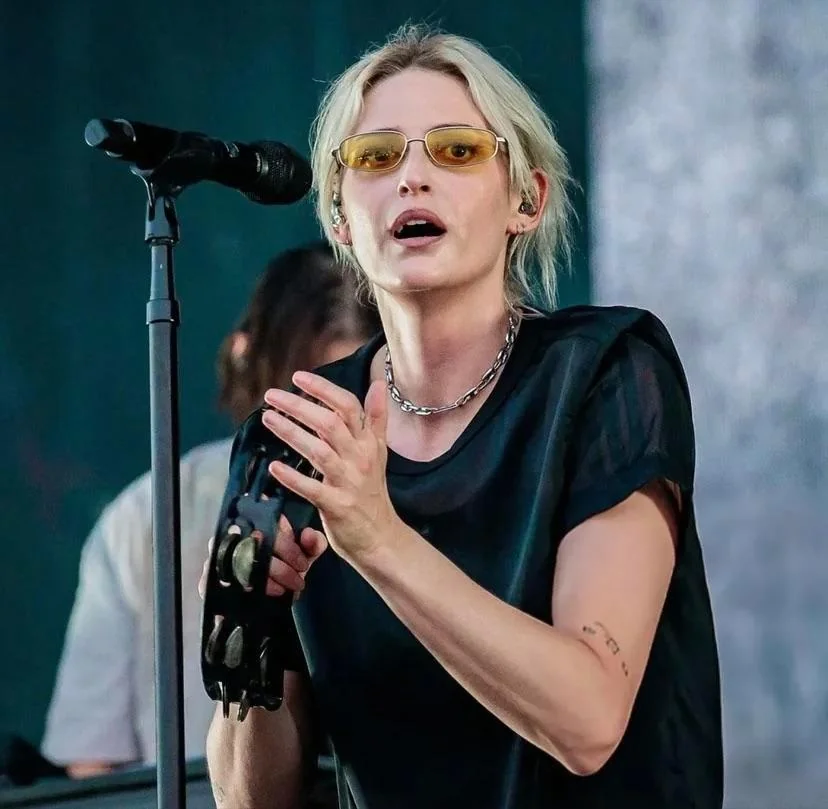
Armstrong’s live performances are often described as fearless and emotionally consuming. She performs with complete physical intensity, constantly moving across the stage while maintaining vocal power and emotional focus. Unlike artists who rely heavily on visual effects or choreographed performances, Armstrong’s stage presence comes directly from emotional expression and raw musical energy. Fans frequently praise her ability to make performances feel deeply personal, even in large concert arenas.
Her vocal style also reflects influences from blues, punk, grunge, and classic hard rock traditions. Many listeners compare her emotional intensity to singers from the 1990s grunge era because of her ability to communicate pain, anger, vulnerability, and strength simultaneously. This emotional honesty became especially important after she joined Linkin Park, a band whose music has always centered around emotional openness and personal struggle. Armstrong succeeded because she brought her own emotional truth into the music rather than attempting to imitate another artist.
Linkin Park’s Return and Emily Armstrong’s Historic Role
In 2024, Linkin Park officially introduced Emily Armstrong as its new co-lead vocalist, a decision that instantly became global music news. The band had remained mostly inactive after Chester Bennington’s death in 2017, and many fans believed Linkin Park might never continue. The emotional connection between Bennington and the band’s audience was incredibly strong, making any future lineup change highly sensitive and emotionally complex. Because of this history, Armstrong faced enormous pressure from both fans and the music industry.
The band approached its return carefully, emphasizing that Armstrong was not intended to replace Chester Bennington but instead help begin a new chapter in Linkin Park’s story. This distinction became important in public discussions surrounding the band’s comeback. Alongside Mike Shinoda, Armstrong introduced new music that combined Linkin Park’s signature emotional sound with fresh creative elements. The album From Zero symbolized both renewal and respect for the group’s legacy.
Armstrong’s first live performances with Linkin Park attracted millions of online viewers and widespread media coverage. Fans carefully analyzed her interpretations of classic songs such as “In the End,” “Numb,” and “Crawling.” While reactions were initially mixed because of emotional attachment to the band’s history, many listeners later praised Armstrong for approaching the music with sincerity and emotional respect. Her performances demonstrated that Linkin Park could evolve without abandoning the emotional core that originally made the band successful.
Fan Reactions and the Debate Surrounding Her Joining Linkin Park
Emily Armstrong’s introduction to Linkin Park created intense discussions across social media platforms, music forums, and fan communities worldwide. For some longtime fans, the idea of Linkin Park continuing after Chester Bennington’s death felt emotionally difficult. Others questioned whether any vocalist could step into such a meaningful role. These reactions reflected not only attachment to the band’s music but also the personal emotional impact Linkin Park had on listeners for more than two decades.
Despite initial skepticism, many fans gradually embraced Armstrong after seeing her live performances and hearing new material. Supporters argued that she succeeded because she respected Linkin Park’s emotional legacy while remaining true to herself as an artist. Instead of copying Chester Bennington’s style, she brought a different emotional perspective and vocal identity to the band. This authenticity helped many listeners connect with the new era of Linkin Park over time.
At the same time, Armstrong became the subject of controversy related to reports about past associations with Scientology and discussions surrounding actor Danny Masterson’s legal case. Online debates intensified as critics and supporters argued about her personal history and public image. Armstrong later addressed some concerns publicly, and the conversation became part of broader discussions about celebrity accountability, public perception, and internet culture. Despite the controversy, her musical performances continued receiving praise from many critics and fans alike.
Dead Sara’s Lasting Influence on Alternative Rock
Although Emily Armstrong is now globally associated with Linkin Park, Dead Sara remains a major part of her artistic legacy. Long before joining one of the world’s biggest rock bands, Armstrong built her reputation through Dead Sara’s emotionally intense alternative rock music. The band earned a passionate cult following because of its authenticity, energetic performances, and refusal to conform to mainstream commercial trends.
Dead Sara’s music combines elements of grunge, hard rock, punk, and blues, creating a sound that feels both nostalgic and modern. Armstrong’s vocals became the defining feature of the band, helping songs stand out within the crowded alternative rock landscape. Tracks like “Weatherman,” “Hands Up,” “Lemon Scent,” and “Monumental Holiday” introduced audiences to her emotional range and vocal aggression. Many modern rock fans consider Dead Sara one of the most underrated alternative rock bands of the 2010s.
After Armstrong joined Linkin Park, interest in Dead Sara increased dramatically. New listeners began exploring the band’s earlier catalog to better understand her artistic background. Music streaming numbers and online discussions surrounding Dead Sara grew significantly as Linkin Park fans discovered her previous work. This renewed attention helped establish Dead Sara as an important influence within modern alternative rock history rather than simply a stepping stone toward larger mainstream success.
Emily Armstrong’s Songwriting and Emotional Themes
Beyond her vocal abilities, Emily Armstrong has earned recognition for her songwriting approach. Her lyrics often focus on emotional struggle, personal conflict, identity, loneliness, resilience, and inner transformation. These themes align closely with the emotional traditions of alternative rock and grunge music, where honesty and vulnerability are valued more than polished perfection. Armstrong’s songwriting frequently reflects real emotional experiences, helping listeners feel personally connected to her music.
Many of her songs explore complex emotional states rather than offering simple answers or optimistic conclusions. This emotional realism has become one of her greatest strengths as an artist. Whether performing with Dead Sara or Linkin Park, she consistently communicates feelings of frustration, confusion, anger, hope, and survival in ways that resonate deeply with audiences. Fans often describe her music as cathartic because of its emotional intensity and honesty.
Armstrong’s songwriting also reflects the changing landscape of modern rock music. In an era when many genres blend together, she successfully combines classic rock influences with contemporary alternative sounds. Her music appeals both to longtime rock listeners and younger audiences discovering emotionally driven alternative music for the first time. This ability to bridge generations contributes significantly to her growing influence within the music industry.
Emily Armstrong’s Impact on Women in Rock Music
Emily Armstrong’s success carries broader cultural importance within the rock music world. Hard rock and alternative metal have historically been male-dominated genres, making her rise especially significant. She has demonstrated that women can lead major rock bands while maintaining artistic authenticity and emotional power. Her performances challenge outdated stereotypes about gender roles in heavy music and inspire younger female musicians pursuing careers in rock.
Unlike some artists marketed primarily through image or commercial branding, Armstrong earned recognition through vocal ability, songwriting talent, and live performance energy. This credibility helped her gain respect among audiences that can sometimes be resistant to change within rock culture. Many fans and critics now view her as one of the strongest female rock vocalists of her generation because of her consistency, emotional honesty, and technical skill.
Her success with Linkin Park also symbolizes broader changes within modern music audiences. Today’s listeners increasingly value authenticity, individuality, and emotional connection over rigid expectations about genre or identity. Armstrong represents this shift because her appeal comes from emotional truth rather than manufactured image. As a result, she has become an influential figure for younger artists seeking to build careers based on artistic sincerity and personal expression.
Emily Armstrong’s Future in the Music Industry
Emily Armstrong’s future appears exceptionally promising as she enters a new stage of global recognition. With Linkin Park continuing to release music and tour internationally, her visibility within mainstream rock culture has expanded dramatically. Fans and industry observers continue watching closely to see how the band evolves creatively with Armstrong as part of its lineup. Early signs suggest that Linkin Park’s new era will continue exploring emotional themes while embracing creative experimentation.
At the same time, Armstrong’s personal artistic identity remains strong outside of Linkin Park. Her years with Dead Sara established her as a respected figure in alternative rock long before global mainstream attention arrived. This independent credibility gives her a unique position within the music industry because she is viewed not simply as a replacement vocalist but as an accomplished artist with her own established legacy.
Whether through future Linkin Park albums, additional Dead Sara projects, collaborations, or solo work, Armstrong’s influence on modern rock music is likely to continue growing. Her journey from underground clubs in Los Angeles to international arena stages reflects determination, artistic authenticity, and emotional courage. For many fans, Emily Armstrong represents the future of emotionally driven rock music, proving that powerful storytelling and genuine expression remain essential in an evolving musical landscape.
Conclusion
Emily Armstrong has emerged as one of the most important voices in modern alternative rock through years of dedication, fearless performances, and emotionally honest songwriting. From building a loyal following with Dead Sara to stepping into the global spotlight with Linkin Park, she has consistently proven her ability to connect deeply with audiences through raw emotion and powerful music. Her journey reflects not only personal artistic growth but also the changing direction of rock music, where authenticity and emotional truth matter more than imitation or commercial formulas.
As Linkin Park continues its new era and fans discover more of Armstrong’s work, her influence within the rock industry keeps expanding. She has shown that honoring a legendary band’s legacy does not require copying the past, but instead bringing fresh energy and genuine passion into the music. Whether through intense live performances, emotionally driven lyrics, or her evolving role in one of the world’s biggest rock bands, Emily Armstrong has secured her place as a defining figure in contemporary rock music. Her story continues inspiring listeners who value resilience, individuality, and the timeless emotional power of rock and alternative music.