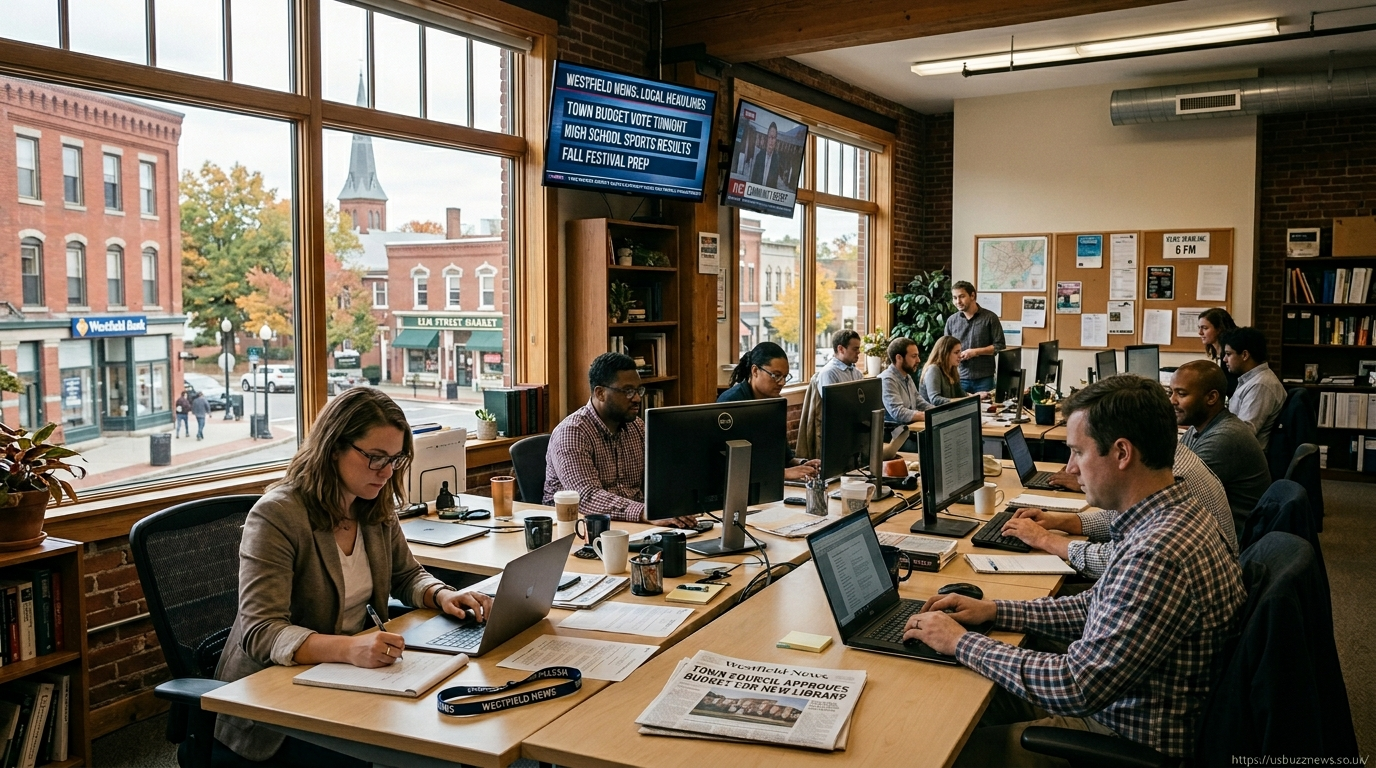
Local newspapers remain one of the most important sources of trusted information in the modern media landscape, and Westfield News continues to stand as a strong example of community journalism in action. In a time when digital platforms dominate global communication, regional newspapers still provide detailed local reporting that national outlets often overlook. The Westfield News, based in Westfield, Massachusetts, has spent decades covering local government, education, public safety, business developments, sports, and cultural events that directly impact the lives of residents across the region.
The importance of local journalism has become increasingly clear in recent years as communities search for reliable, fact-based reporting amid the rapid spread of online misinformation. Readers depend on newspapers like The Westfield News not only for breaking local stories but also for long-term accountability and public transparency. From city council meetings to school committee decisions and emergency weather updates, local newspapers continue to connect communities through accurate and timely information.
The Historical Background of Westfield News
The Westfield News has a long history connected to the development of western Massachusetts journalism. For generations, the publication has served residents of Westfield and neighboring communities by documenting important local events and preserving public records. Like many American regional newspapers, it began during an era when printed journalism served as the primary source of community information. Over time, the publication evolved alongside technological changes and shifts in reader behavior.
The newspaper became especially recognized for its strong focus on hyperlocal coverage. Rather than concentrating on national political debates or celebrity news, the publication emphasized local government activity, public school systems, neighborhood events, and community concerns. This type of reporting helped build trust among residents who relied on the newspaper for practical and relevant information about daily life in Westfield.
A major turning point came in 2011 when businessman Patrick Berry purchased the newspaper and introduced modernization efforts designed to strengthen its future. The paper improved its printing operations, expanded digital publishing, and developed stronger online communication channels. These changes reflected broader transformations taking place across the American newspaper industry as publications worked to adapt to changing media consumption habits.
The Role of Local Journalism in Modern Communities
Local journalism plays a critical role in maintaining civic awareness and democratic accountability. Newspapers like The Westfield News often attend public meetings, investigate municipal decisions, and report on issues that directly affect taxpayers and residents. Without regional reporting, many important local developments could go unnoticed by the broader public.
One of the strongest advantages of local newspapers is their ability to provide context and depth about community issues. National media outlets may occasionally cover major stories in Massachusetts, but they rarely focus on smaller city-level developments unless they become unusually significant. Local newspapers fill that gap by consistently monitoring regional affairs and providing detailed reporting that residents can trust.
Community newspapers also strengthen social connection. Stories about school achievements, local sports teams, charity events, festivals, and small businesses help residents feel connected to the places where they live. These publications preserve community identity while also encouraging public participation in local events and civic discussions.
The Digital Transformation of Westfield News
The newspaper industry has changed dramatically during the digital age, and The Westfield News has experienced many of the same challenges faced by regional publications across the United States. Traditional print circulation has declined steadily as readers increasingly consume information through smartphones, websites, and social media platforms. Newspapers that once relied heavily on print subscriptions and classified advertising have had to develop new strategies for survival.
To adapt, The Westfield News invested in digital publishing and online engagement. The newspaper strengthened its website presence, expanded online article access, and embraced digital communication tools that allow readers to access local news more quickly. Social media also became an important method for sharing breaking stories and connecting with community audiences.
The shift toward digital journalism has changed how newspapers operate on a daily basis. Reporters now work in a fast-paced environment where updates are expected almost instantly. Readers want mobile-friendly content, searchable archives, multimedia storytelling, and immediate news alerts. Newspapers that successfully balance speed with accuracy are more likely to maintain public trust and long-term relevance.
Coverage Areas and Local Reporting Priorities
One reason The Westfield News remains valuable is its dedication to local reporting that larger publications may ignore. The newspaper focuses on Westfield and nearby communities throughout Hampden County, including Southwick and surrounding areas. Coverage frequently includes local government meetings, school board decisions, law enforcement updates, business openings, sports coverage, and public events.
Education reporting remains especially important for community newspapers. Parents, students, and educators rely on local publications for updates regarding school policies, district budgets, academic achievements, and extracurricular programs. Coverage of school committee meetings helps ensure public transparency and encourages greater community involvement in education.
Public safety reporting is another essential area of local journalism. Residents often depend on regional newspapers for weather emergencies, road closures, police reports, and fire department updates. During severe weather events or public emergencies, local newspapers frequently become one of the most trusted sources of accurate information.
The Economic Challenges Facing Local Newspapers
Although local journalism remains important, the newspaper industry continues to face significant financial difficulties. One of the biggest problems involves declining advertising revenue. In the past, local businesses relied heavily on newspaper advertisements to reach customers. Today, many businesses instead advertise through social media, search engines, and digital marketing platforms.
Print subscription declines have also placed pressure on regional newspapers. Younger audiences often consume news online for free rather than purchasing traditional newspaper subscriptions. As a result, many local publications operate with smaller newsrooms and tighter budgets than they did several decades ago.
These financial pressures have contributed to the closure of numerous local newspapers across the United States. Media experts frequently warn about the rise of “news deserts,” which are communities with limited or no reliable local journalism coverage. When newspapers disappear, communities may lose an important source of accountability and public oversight.
Despite these challenges, some regional publications continue adapting through digital subscriptions, partnerships, sponsorships, and community-supported journalism models. Newspapers that maintain strong local relationships and trusted reporting standards often have better opportunities for long-term survival.
Why Community Trust Matters in Journalism
Trust is one of the most valuable assets any newspaper can build. Readers rely on local journalism because they expect accuracy, fairness, and accountability. Unlike anonymous online sources or unverified social media content, established newspapers follow editorial standards and fact-checking practices designed to improve reliability.
The Westfield News has historically maintained strong community connections by focusing on issues that directly affect local residents. Readers often recognize local journalists personally, which creates a stronger sense of accountability between reporters and the community. This relationship helps distinguish community journalism from larger national media organizations.
Public trust becomes especially important during emergencies and major public events. During severe storms, elections, public health concerns, or infrastructure problems, residents need dependable reporting that provides verified information quickly. Local newspapers frequently serve as essential communication tools during these situations.
Maintaining trust also requires transparency. Newspapers that clearly separate opinion content from factual reporting and correct errors responsibly are more likely to preserve long-term credibility. In the digital era, where misinformation spreads rapidly online, trustworthy local journalism has become even more valuable.
The Connection Between Westfield History and Local Media
The city of Westfield itself has a rich historical background that contributes to the importance of regional journalism. Located in Hampden County, Massachusetts, Westfield developed over centuries as a center for trade, manufacturing, education, and regional business activity. Local newspapers documented these changes in detail, preserving records of economic growth, political developments, and social transformation.
Historical newspaper archives provide valuable insight into how communities evolved over time. Researchers, historians, and genealogists often rely on archived newspapers to study local culture, public opinion, business activity, and community events from previous generations. Local journalism therefore serves not only present-day readers but also future historical research.
The preservation of regional reporting helps communities maintain cultural identity. Stories about local traditions, festivals, schools, businesses, and public figures become part of a shared historical memory. Without local newspapers, many of these stories might disappear entirely from the historical record.
Libraries and historical organizations in Westfield continue preserving newspaper archives because they recognize their importance for future generations. These records help document the growth of the city while also reflecting the daily experiences of ordinary residents throughout history.
The Growing Importance of Online News Consumption
Online news consumption has transformed the entire media industry, including local journalism. Readers now expect immediate access to breaking stories through smartphones, tablets, and social media platforms. This shift has changed not only how newspapers distribute content but also how audiences interact with journalism itself.
Digital publishing offers several advantages for community newspapers. Articles can be updated quickly, archived permanently, and shared widely through online platforms. Readers can access stories at any time instead of waiting for printed editions. Online platforms also allow newspapers to include videos, photographs, and interactive features that enhance storytelling.
However, the digital transition also introduces new challenges. Competition for online attention is intense, especially when social media algorithms prioritize viral content over local reporting. Smaller newspapers must compete not only with regional media outlets but also with global entertainment and news platforms.
Another challenge involves monetization. Many readers expect free online content, making it difficult for newspapers to generate sustainable digital revenue. Subscription models, sponsored content, and online advertising have become increasingly important as publications search for ways to maintain financial stability.
Community Engagement and Public Participation
Community engagement remains one of the strongest foundations of local journalism. Newspapers like The Westfield News often maintain close relationships with readers through letters to the editor, community submissions, event coverage, and local interviews. This interaction helps newspapers remain connected to public concerns and neighborhood priorities.
Coverage of local events contributes significantly to community participation. Charity fundraisers, cultural festivals, school programs, and sports competitions all receive attention from regional newspapers. These stories encourage residents to support local activities while strengthening community identity.
Small businesses also benefit from local newspaper coverage. Regional publications help businesses connect with nearby audiences through advertising, announcements, and feature stories. Community newspapers therefore contribute not only to public information but also to local economic activity.
Public participation becomes stronger when residents feel informed about local issues. Newspapers that consistently report on government decisions, public spending, education policy, and infrastructure projects help citizens engage more actively in civic life. This role remains essential for healthy democratic communities.
The Future of Westfield News and Local Journalism
The future of local journalism will likely depend on adaptability, innovation, and continued community support. While the newspaper industry faces ongoing economic and technological challenges, demand for trustworthy local reporting remains strong. Communities still need accurate information about local government, education, business, and public safety.
The Westfield News represents the resilience of regional journalism during a period of major industry transformation. By expanding digital operations while maintaining its commitment to local reporting, the newspaper continues adapting to changing reader expectations. Publications that successfully combine modern technology with traditional journalism values are more likely to remain relevant in the years ahead.
The survival of local journalism ultimately depends on public recognition of its value. Newspapers serve as watchdogs, historians, and community connectors all at once. Without reliable local reporting, communities risk losing transparency, accountability, and civic awareness.
As digital media continues evolving, newspapers like The Westfield News demonstrate that community journalism still matters deeply. Local reporting remains essential not only for informing residents but also for preserving the identity, history, and democratic health of communities across America.
Conclusion
The Westfield News continues to demonstrate why local journalism remains essential in today’s fast-changing media environment. While digital platforms and social media have transformed how people consume information, trusted community newspapers still provide accurate reporting, public accountability, and meaningful local coverage that larger national outlets often cannot deliver. From covering city government and education to highlighting community events and regional business activity, local journalism helps residents stay informed and connected.
As the newspaper industry faces economic and technological challenges, publications like The Westfield News show the importance of adapting through digital innovation while preserving traditional journalistic values. Reliable local reporting strengthens civic engagement, supports transparency, and preserves the historical identity of communities for future generations. The continued relevance of community newspapers proves that local news is not just about headlines—it is about building informed, connected, and engaged communities.