Engagement rings have traditionally been associated with diamonds, but modern couples are increasingly moving beyond convention and exploring alternative engagement rings that reflect their personalities, values, and lifestyles. The engagement ring market has evolved significantly over the past decade, driven by changing consumer preferences, ethical concerns, budget awareness, and a growing desire for individuality. Today, alternative engagement rings are no longer considered unusual; they have become a mainstream choice for couples who want something distinctive and meaningful.
The appeal of alternative engagement rings lies in their ability to tell a personal story. Rather than selecting a ring solely because tradition suggests it, many couples prefer designs that represent their relationship, interests, and future together. From colorful gemstones and vintage heirlooms to lab-grown diamonds and custom-made creations, alternative engagement rings offer nearly limitless possibilities. These rings often provide greater creative freedom, allowing couples to choose jewelry that feels authentic and unique while maintaining elegance and timeless beauty.
Understanding the Rise of Alternative Engagement Rings
The growing popularity of alternative engagement rings reflects broader shifts in consumer behavior. Modern buyers are more informed than ever before and frequently conduct extensive research before making major purchases. They are interested in understanding where gemstones come from, how jewelry is produced, and whether their purchases align with personal values. As a result, traditional diamond engagement rings no longer dominate the market in the way they once did.
Social media platforms, jewelry blogs, and online marketplaces have exposed consumers to a wide variety of ring styles and gemstone options from around the world. Couples can now easily discover designs that differ dramatically from traditional solitaire diamond rings. This increased exposure has encouraged many people to explore unique engagement rings that better represent their individual style rather than simply following established traditions.
Another factor contributing to this trend is the desire for exclusivity. Many couples want an engagement ring that stands apart from common designs. Alternative engagement rings provide an opportunity to wear a piece that feels personal and distinctive rather than identical to thousands of other rings. This emphasis on individuality continues to drive demand for non-traditional engagement ring options.
Why Couples Choose Non-Traditional Engagement Rings
One of the primary reasons couples choose alternative engagement rings is the opportunity for self-expression. Every relationship is unique, and many people want their engagement ring to reflect their own story rather than conform to standard expectations. Alternative rings allow for greater creativity in terms of gemstones, settings, metals, and overall design.
Budget considerations also play a significant role. Traditional diamond engagement rings can be expensive, particularly when buyers focus on high carat weights and premium grades. Alternative gemstones often provide exceptional beauty at a more accessible price point. This allows couples to invest in larger stones, custom craftsmanship, or other meaningful priorities without exceeding their budget.
Many modern buyers are also motivated by ethical and environmental concerns. Awareness of mining practices has led consumers to seek sustainable jewelry options. Alternative engagement rings frequently incorporate responsibly sourced gemstones, recycled metals, vintage pieces, or laboratory-created diamonds that align more closely with environmentally conscious values.
The desire for uniqueness is another powerful motivator. In an era where personal style is highly valued, many couples prefer rings that stand out and feel different from traditional designs. This trend has encouraged jewelers to expand their offerings and create more innovative engagement ring collections.
Colored Gemstones as Stunning Alternatives to Diamonds
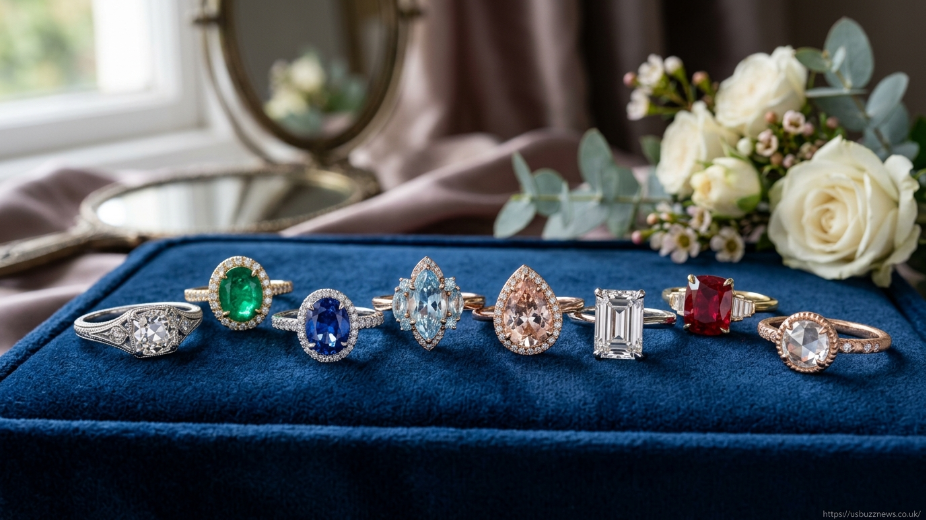
Colored gemstones have become one of the most popular alternatives to traditional diamond engagement rings. Their vibrant appearance, symbolism, and uniqueness make them highly appealing to couples seeking something different. Sapphires, emeralds, rubies, aquamarines, spinels, tourmalines, and morganites are among the most sought-after choices in modern engagement jewelry.
Sapphires are particularly valued because of their durability and wide range of colors. While deep blue sapphires remain iconic, modern buyers increasingly select pink, teal, yellow, peach, and green sapphires. These stones offer exceptional hardness, making them suitable for daily wear while providing a distinctive appearance that sets them apart from traditional diamonds.
Emeralds are admired for their rich green color and timeless elegance. Historically associated with royalty and luxury, emerald engagement rings symbolize growth, renewal, and lasting love. Rubies are equally meaningful, representing passion, devotion, and romance. Their vivid red hue creates a bold statement and has made ruby engagement rings increasingly popular among couples seeking dramatic and memorable jewelry.
Morganite has gained considerable attention in recent years due to its soft blush-pink color. Many buyers appreciate its romantic appearance and feminine aesthetic. Aquamarine, known for its calming blue tones, offers a fresh and contemporary alternative that complements a variety of ring settings and metal choices. These gemstones demonstrate that beauty and symbolism can exist far beyond the traditional diamond.
Lab-Grown Diamonds and the Future of Engagement Jewelry
Lab-grown diamonds have transformed the engagement ring industry by providing consumers with an alternative that offers the same brilliance and durability as mined diamonds. These diamonds are created using advanced technological processes that replicate the natural conditions under which diamonds form deep within the earth.
One of the most significant advantages of lab-grown diamonds is value. Buyers can often purchase a larger or higher-quality stone for the same budget compared to a mined diamond. This affordability allows couples to prioritize ring design, craftsmanship, and customization while still enjoying the timeless beauty associated with diamonds.
The environmental impact of jewelry production has become an important consideration for many consumers. Lab-grown diamonds are often viewed as a more sustainable alternative because they do not require traditional mining operations. Although laboratory production still requires energy and resources, many buyers appreciate the increased transparency and reduced environmental footprint associated with these stones.
As technology continues to improve, lab-grown diamonds are becoming increasingly popular among younger consumers. Their growing acceptance within the jewelry industry suggests they will remain a major part of the engagement ring market for years to come, especially among buyers seeking ethical engagement rings and affordable luxury.
Vintage and Antique Engagement Rings
Vintage engagement rings offer a unique blend of history, craftsmanship, and individuality. Unlike modern mass-produced designs, antique rings often feature intricate details that showcase the artistry of earlier generations. Many couples are drawn to these rings because they carry a sense of heritage and timeless romance.
The Victorian era introduced elegant designs characterized by intricate metalwork and symbolic motifs. Edwardian rings became known for delicate filigree patterns and refined elegance. Art Deco engagement rings, which remain highly sought after today, feature bold geometric shapes and striking architectural influences. Each historical period contributes unique design elements that continue to inspire modern jewelry trends.
Beyond their aesthetic appeal, vintage engagement rings represent a sustainable choice. Purchasing an existing ring reduces the demand for newly mined materials and extends the life of a beautiful piece of jewelry. For environmentally conscious buyers, antique rings provide a meaningful combination of beauty, history, and responsible consumption.
Many vintage rings also possess exceptional craftsmanship that can be difficult to replicate today. Handcrafted details, intricate engraving, and unique gemstone cuts contribute to their enduring appeal. These characteristics make vintage engagement rings an attractive option for couples seeking something truly one-of-a-kind.
Alternative Metals That Create Distinctive Ring Designs
While gemstones often receive the most attention, the choice of metal significantly influences an engagement ring’s overall appearance and durability. Alternative engagement rings frequently feature metals that differ from traditional yellow gold or platinum, allowing for greater customization and visual interest.
Rose gold has become one of the most popular choices in recent years. Its warm pink tone creates a romantic appearance that pairs beautifully with diamonds and colored gemstones alike. The metal’s distinctive color adds character while maintaining a timeless elegance that appeals to many modern couples.
White gold continues to be favored for its sleek and contemporary look, while yellow gold has experienced a resurgence due to growing appreciation for vintage-inspired jewelry. Some couples choose mixed-metal designs that combine multiple colors within a single ring, creating a unique and personalized aesthetic.
Titanium and palladium have also gained attention among buyers seeking durability and modern style. These metals offer practical advantages while contributing to a distinctive appearance that separates alternative engagement rings from more conventional designs.
Custom Engagement Rings and Personalized Jewelry
Customization has become one of the defining trends in modern engagement jewelry. Rather than selecting a ring from a standard collection, many couples prefer to collaborate with jewelers to create a completely unique design. Custom engagement rings allow for unparalleled personalization and creative expression.
The custom design process often begins with discussions about personal style, preferred gemstones, and symbolic elements. Couples may incorporate meaningful details such as birthstones, family heirlooms, engraved messages, or design features inspired by shared experiences. These personal touches transform the ring into a meaningful representation of the relationship.
Custom engagement rings also provide greater control over quality and craftsmanship. Buyers can carefully select every component, ensuring the final piece aligns perfectly with their vision. This collaborative approach often results in jewelry that carries deeper emotional significance than a mass-produced design.
As technology advances, computer-aided design and three-dimensional modeling have made custom jewelry more accessible than ever before. These tools allow couples to visualize their ring before production begins, creating confidence throughout the design process.
Ethical and Sustainable Choices in Modern Engagement Rings
Ethical sourcing has become a major priority for many engagement ring buyers. Consumers increasingly seek reassurance that the materials used in their jewelry have been obtained responsibly and that workers throughout the supply chain have been treated fairly. This shift has encouraged greater transparency within the jewelry industry.
Alternative engagement rings frequently align with sustainable purchasing goals. Recycled precious metals reduce the need for new mining activities, while responsibly sourced gemstones help support ethical production practices. Many jewelers now provide detailed information about sourcing, certifications, and environmental initiatives to help consumers make informed decisions.
Laboratory-created diamonds have further expanded the range of ethical jewelry options available to consumers. These stones appeal to buyers who want the beauty of a diamond while minimizing concerns related to traditional mining practices. Transparency remains an important factor, and reputable jewelers often provide extensive documentation regarding the origin of their materials.
Sustainability extends beyond sourcing alone. Many consumers are choosing high-quality, timeless designs intended to last for generations. By investing in durable craftsmanship and enduring styles, couples can reduce waste while creating meaningful heirlooms for the future.
Popular Modern Styles for Alternative Engagement Rings
Alternative engagement rings encompass a wide range of design styles that reflect contemporary tastes and evolving fashion trends. While classic solitaire settings remain popular, many buyers are drawn to more distinctive and creative options that highlight individuality.
Halo settings continue to attract attention because they enhance the visual size and brilliance of a center stone. Bezel settings offer a sleek and modern appearance while providing additional protection for gemstones. East-west settings, in which stones are positioned horizontally rather than vertically, create a fresh and unconventional look.
Nature-inspired engagement rings have also gained popularity. Floral motifs, leaf patterns, and organic shapes appeal to couples who appreciate artistic and symbolic designs. These rings often combine intricate craftsmanship with meaningful visual elements that celebrate growth, beauty, and connection.
Minimalist engagement rings remain a strong trend as well. Clean lines, understated elegance, and refined simplicity resonate with buyers who prefer subtle sophistication. At the same time, bold statement rings featuring colorful gemstones and unconventional shapes continue to attract those who want their jewelry to make a memorable impression.
How to Choose the Perfect Alternative Engagement Ring
Choosing the ideal alternative engagement ring involves balancing aesthetics, durability, symbolism, and lifestyle considerations. While appearance is important, practical factors should not be overlooked. A ring intended for daily wear must be comfortable, durable, and capable of withstanding regular use.
Gemstone hardness plays a critical role in long-term durability. Stones that rank higher on hardness scales are generally more resistant to scratching and wear. Understanding these characteristics can help buyers select gemstones that maintain their beauty over time while remaining suitable for everyday wear.
Personal style should remain at the center of the decision-making process. The best engagement ring is one that reflects the wearer’s personality and preferences rather than simply following current trends. Whether choosing a vintage emerald ring, a custom sapphire design, or a lab-grown diamond solitaire, authenticity is often the key to long-term satisfaction.
Working with experienced jewelers can provide valuable guidance throughout the selection process. Professional expertise helps buyers understand gemstone quality, ring construction, and maintenance requirements, ensuring they make informed decisions that align with both practical needs and personal values.
The Lasting Appeal of Alternative Engagement Rings
Alternative engagement rings represent more than a passing trend. They reflect a broader cultural movement toward personalization, sustainability, and meaningful consumer choices. Modern couples increasingly view engagement rings as symbols of their unique relationship rather than simply traditional jewelry purchases.
The wide range of available gemstones, metals, settings, and custom options ensures that every couple can find a ring that resonates with their personal story. Whether inspired by ethical values, artistic preferences, historical influences, or budget considerations, alternative engagement rings provide opportunities for creativity and self-expression that traditional designs may not offer.
As consumer preferences continue to evolve, alternative engagement rings are likely to remain a significant part of the jewelry industry. Their combination of individuality, beauty, symbolism, and versatility makes them an enduring choice for couples who want a ring that feels genuinely personal. By embracing alternative engagement ring options, modern couples can celebrate their commitment with a piece that reflects not only their love but also their values, personality, and vision for the future.
Conclusion
Alternative engagement rings have transformed the way couples approach one of life’s most meaningful purchases. No longer limited to traditional diamond solitaires, buyers now have access to an incredible range of gemstones, metals, vintage treasures, custom creations, and sustainable options. These alternatives provide opportunities to express individuality, support ethical values, and create a ring that feels deeply personal.
Whether choosing a colorful sapphire, a romantic morganite, an antique heirloom, a lab-grown diamond, or a custom-designed masterpiece, the most important factor is selecting a ring that reflects the unique story of the couple. As trends continue to evolve, alternative engagement rings will remain a powerful symbol of love, commitment, creativity, and personal expression.