Understanding the Russian Wedding Ring and Its Meaning
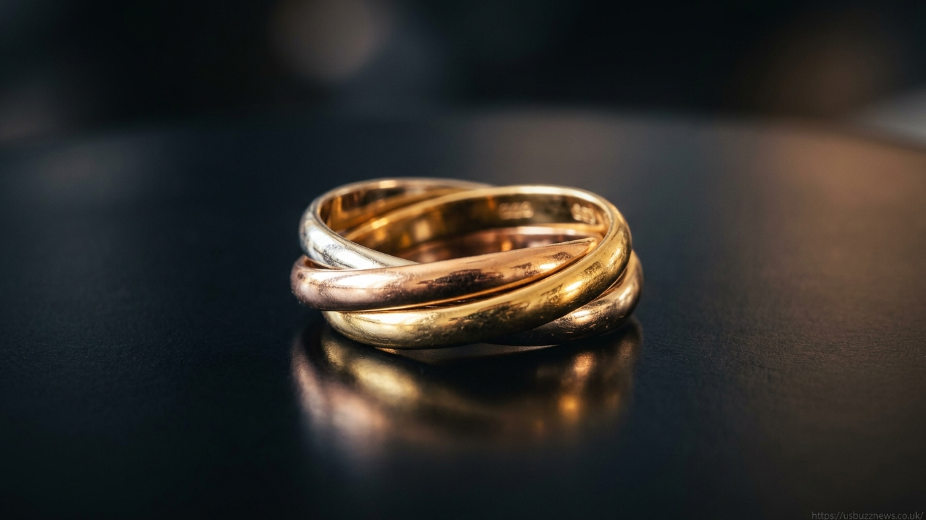
The Russian wedding ring is a unique style of wedding jewelry made of three interlocking bands that move together as one piece. This design is widely recognized for its elegant appearance and deep symbolic meaning, making it a popular choice for couples who want something more meaningful than a traditional single-band ring. When people search for “Russian wedding ring,” they are usually referring to this triple-band rolling design rather than a standard wedding band.
The three bands are traditionally believed to represent powerful relationship values such as love, loyalty, and friendship. In another common interpretation, they symbolize the past, present, and future of a couple’s life together. These layered meanings give the ring emotional depth, transforming it from a simple piece of jewelry into a lifelong reminder of commitment and shared journey.
Unlike fixed rings, the Russian wedding ring is designed to move freely, with each band sliding smoothly against the others. This motion represents the dynamic nature of marriage, where two individuals remain connected while continuing to grow and evolve together. The design is both symbolic and visually captivating, which is why it has remained popular for generations.
Historical Origins of the Russian Wedding Ring Design
The origins of the Russian wedding ring are often linked to early European jewelry traditions, with influences from both religious symbolism and artisan craftsmanship. While it is widely associated with Russia due to its name, the design itself gained popularity across Europe and was later adopted globally as a wedding jewelry style.
One of the most commonly referenced symbolic connections is the Holy Trinity in Christianity, which represents the Father, the Son, and the Holy Spirit. This spiritual interpretation influenced the use of three interlocking bands, especially in Orthodox Christian communities where symbolic jewelry holds deep cultural importance.
Over time, the design evolved beyond religious meaning and became a fashionable wedding choice. By the 20th century, luxury jewelers helped popularize the style in international markets, turning it into a recognized symbol of unity, commitment, and timeless elegance.
Symbolism Behind the Three Interlocking Bands
The defining feature of the Russian wedding ring is its three interconnected bands, each carrying its own symbolic meaning. One of the most widely accepted interpretations is that the rings represent love, loyalty, and friendship. These three qualities are often seen as the foundation of a strong and lasting marriage.
Another interpretation is that the bands symbolize the journey of time within a relationship. The past reflects shared memories, the present represents daily life and connection, and the future symbolizes hope and growth together. This idea makes the ring especially meaningful for couples who value storytelling in their relationship.
In spiritual traditions, particularly within Orthodox Christian symbolism, the three bands represent unity under divine blessing. This interpretation gives the ring a sacred dimension, making it more than just jewelry and instead a representation of faith, devotion, and lifelong commitment.
Design Characteristics of Russian Wedding Rings
Russian wedding rings are crafted using three separate metal bands that are carefully interlocked. These bands are typically made from gold, white gold, rose gold, silver, or platinum. Many modern designs use a combination of metals to create contrast and visual depth, which enhances the ring’s overall aesthetic appeal.
A defining feature of this design is its rolling movement. Unlike traditional wedding bands that remain fixed, Russian wedding rings are designed to move fluidly as they are worn. This motion creates a dynamic visual effect that symbolizes the evolving nature of relationships and emotional connection.
Modern variations often include engraved details, diamond accents, or textured finishes. These enhancements allow couples to personalize their rings while preserving the traditional three-band structure. Despite modern updates, the core identity of the Russian wedding ring remains unchanged and continues to reflect unity through movement.
Cultural and Emotional Significance in Marriage Traditions
The Russian wedding ring holds strong cultural significance in many regions, especially within Eastern European and Orthodox Christian traditions. It is often seen as a symbol of sacred union, where marriage is not only a personal commitment but also a spiritual bond blessed by faith.
Beyond religious meaning, the ring has become a universal symbol of harmony and balance in relationships. Couples from different cultural backgrounds choose it for its representation of emotional unity and lifelong partnership. Its meaning is flexible enough to resonate with both traditional and modern values.
Emotionally, the ring serves as a daily reminder of commitment and shared life goals. Its three interlocking bands reflect the idea that relationships are built on multiple layers of connection, including emotional support, trust, and companionship.
Popular Styles and Modern Variations
Modern Russian wedding rings come in many different styles, allowing couples to choose designs that match their personal preferences. One of the most popular variations is the mixed-metal style, where each band is made from a different type of gold or metal. This design emphasizes individuality while maintaining unity.
Another widely chosen variation includes diamond-set bands, where one or more rings feature small diamonds or gemstones. These additions enhance the elegance of the design while adding a luxurious touch. Such styles are often chosen for engagement or anniversary purposes.
Minimalist versions are also highly popular, especially among couples who prefer simple and elegant jewelry. These designs focus on smooth, polished bands without additional decoration, highlighting the purity of the original concept and its symbolic meaning.
Differences Between Russian Wedding Rings and Traditional Bands
The Russian wedding ring differs significantly from traditional single-band wedding rings in both design and symbolism. A traditional wedding band represents unity through a single continuous circle, symbolizing eternity and unbroken commitment. In contrast, the Russian wedding ring expands this idea into three interconnected circles.
The movement of the bands is another key difference. Traditional rings are static, while Russian wedding rings are designed to move and rotate. This movement is often interpreted as a reflection of a living relationship that changes, adapts, and grows over time.
From a design perspective, Russian wedding rings offer more visual complexity and customization options. The use of multiple metals and textures allows for more creativity, making them appealing to couples who want something distinctive and meaningful.
Choosing the Right Russian Wedding Ring
Choosing the right Russian wedding ring involves considering both emotional meaning and practical comfort. Metal selection plays an important role, with gold remaining the most traditional choice while platinum and mixed metals are preferred for modern designs.
Comfort is essential because the interlocking structure requires proper sizing to ensure smooth movement without discomfort. Many jewelers recommend trying different sizes to achieve the right balance between flexibility and secure fit.
Personalization is also a major factor. Couples often choose engravings, gemstone accents, or custom finishes to make the ring more meaningful. These small details help transform the ring into a personal symbol of love and shared history.
Modern Popularity and Global Appeal
Today, the Russian wedding ring is widely recognized across the world as both a wedding and fashion accessory. Its elegant design and deep symbolism make it appealing to couples who want jewelry that carries emotional meaning as well as visual beauty.
The rise of online jewelry shopping has contributed to its global popularity, allowing people to explore different styles and customize designs easily. This accessibility has made the ring a popular choice for engagement, wedding, and anniversary celebrations.
Beyond weddings, many people now wear Russian wedding rings as symbolic jewelry representing unity, balance, or personal milestones. Its timeless design ensures that it remains relevant across changing fashion trends and continues to hold emotional significance.
Emotional Value and Lasting Legacy of the Russian Wedding Ring
The emotional value of the Russian wedding ring lies in its representation of a lifelong journey. Each moving band reflects how relationships evolve over time while staying deeply connected through shared experiences and commitment.
For many couples, the ring becomes a personal reminder of their story together. It symbolizes not just marriage but also trust, resilience, and emotional growth. This makes it more than an accessory—it becomes a part of everyday life.
Ultimately, the Russian wedding ring remains a timeless symbol of unity, love, and connection. Its combination of history, symbolism, and elegant design ensures that it continues to hold meaning for couples across generations and cultures.
Conclusion
The Russian wedding ring remains one of the most meaningful and visually distinctive styles of wedding jewelry, combining beauty with deep symbolism. Its three interlocking bands represent powerful ideas such as love, loyalty, friendship, and the journey of past, present, and future, making it far more than a simple accessory.
Its timeless design, rooted in cultural and spiritual traditions, continues to appeal to modern couples who value both emotional significance and elegant craftsmanship. Whether chosen for its history, movement, or symbolic depth, the Russian wedding ring stands as a lasting reminder of unity and commitment.
Ultimately, this unique ring design continues to bridge tradition and modern style, offering couples a beautiful way to express their bond in a form that is both personal and enduring.